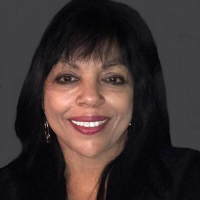
Audrey Heble, LMFT
Experienced California LMFT focused on relationships and coping
Opens BetterHelp in a new tab, where you can review online therapy options.
At a glance
- Listed location
- California
- Experience
- 22+ years
- Credentials
- LMFT
- Languages
- English
- License (California)
- LMFT · No. 45980
- NPI
- 1871682724
Copied as listed by the therapist. You can check a license with the state board and an NPI with the national registry.
- Stress and anxiety
- Addictions support
- Relationship work
About Audrey
She works collaboratively to tailor conversations and treatment plans to each person's needs. Sessions focus on practical skills and clearer understanding of patterns that contribute to pain or stuckness. She mixes client-centered listening with focused techniques to help people change unhelpful thoughts and behaviors.
Her work often addresses grief, parenting strain, intimacy issues, anger, and self-esteem. Audrey also supports people facing midlife changes, career uncertainty, and the particular challenges that come with aging and geriatric issues. She pays attention to how early relationships and family history shape current problems.
Over two decades she has developed tools from several therapy traditions, including cognitive-behavioral methods and emotionally-focused approaches. She aims to make therapy direct and useful while staying attuned to feelings. The goal is clearer choices and better day-to-day coping.
Audrey provides services in California and conducts sessions in English. She asks new clients to complete a short matching questionnaire before scheduling so she can learn about immediate concerns and goals.
Areas of expertise
Primary focus
Also works with
Additional focus areas
Therapeutic approaches
Experience
22+ years
Credentials
California
Languages
English
How therapeutic approaches shape online work
Client-centered therapy emphasizes listening and following the client's lead. The therapist offers empathic attention and builds goals from what matters most to the person, which helps clients feel heard and understood during sessions.Cognitive Behavioral Therapy, or CBT, focuses on identifying unhelpful thoughts and changing behaviors that keep problems going. It is useful for anxiety, depression, and stress because it teaches concrete skills to manage symptoms and change daily habits.
Dialectical Behavior Therapy, or DBT, brings practical tools for managing intense emotions and improving interpersonal effectiveness. It can help with impulsivity, anger, and relationship conflict by teaching skills for emotion regulation and distress tolerance.
Choosing the right approach is a team effort. The therapist will work collaboratively to explore what fits the client's needs, goals, and preferences and will adjust methods over time. That process helps find a mix of listening, skill-building, and deeper emotional work that feels right.
The original biography does not list specific online session formats, so confirm current options before booking. Online therapy can make it easier to fit sessions into a busy life, reduce travel time, allow shorter check-ins, and make it simpler to book during a work break or while managing caregiving duties.
Frequently asked questions
What concerns can be addressed in sessions?
Sessions focus on stress, anxiety, addictions, relationship problems, trauma and abuse, grief, parenting strain, anger, self-esteem, depression, and coping with life changes. Additional areas include abandonment, attachment issues, and aging and geriatric issues.
How would you describe the therapy style?
Therapy is collaborative and person-centered, with active listening and practical interventions. Conversations aim to be direct and supportive while helping clients learn new skills and perspectives.
What experience does the therapist bring?
The clinician has 22 years of professional work in clinical settings helping people with anxiety, addictions, relationship concerns, and trauma recovery. That background shapes a steady, experienced approach.
What credentials and location are listed?
Audrey holds an LMFT, which is a Licensed Marriage and Family Therapist credential, and practices in California.
Which languages are sessions offered in?
Sessions are offered in English.
What session formats are available?
The original biography does not specify session formats; please confirm current session options before booking so you know whether in-person or online visits are offered.
How are fees and cost handled?
Cost varies with location and therapist availability, and sessions use a subscription that can be canceled at any time. Specific pricing is provided during the intake and scheduling process.
What is the process to begin working together?
Start by selecting the Start Therapy button, completing a short matching questionnaire, and scheduling according to therapist availability. This helps match goals and choose an appointment time.