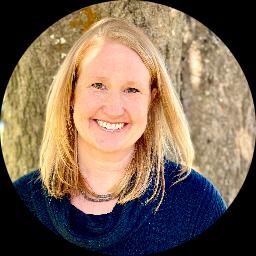
Dr. Candon Sadler, FL Psychologist PY7982
A practical, values-focused psychologist
Opens BetterHelp in a new tab, where you can review online therapy options.
At a glance
- Listed location
- Florida
- Experience
- 17+ years
- Credentials
- FL Psychologist PY7982
- Languages
- English
- License (Florida)
- Psychologist · No. PY7982
- NPI
- 1154651560
Copied as listed by the therapist. You can check a license with the state board and an NPI with the national registry.
- Practical coping skills
- Support through change
- Aging and caregiver focus
About Candon
She builds sessions around practical skills people can use right away. That may include learning ways to notice and change unhelpful thoughts, practicing present-moment awareness, or clarifying values and small steps toward them. Dr. Sadler prioritizes clear communication and steady goal-setting so progress is visible between visits.
Her background includes training at Emory University and graduate work at Indiana State University, followed by an internship and post-doctoral work in U.S. Veterans’ Administration Hospitals. She has provided care in inpatient settings, community mental health centers, hospice services, rehabilitative and long-term nursing centers, and preschools. Those experiences inform her approach to sleep problems, chronic pain, caregiver strain, and reintegration concerns.
In sessions she listens closely and helps people evaluate thoughts and behaviors without judgment. She often draws on acceptance and commitment approaches, attachment-informed ideas, cognitive behavioral tools, and mindfulness exercises. Solution-focused techniques are used to set concrete next steps when that fits the client’s goals.
Dr. Sadler aims to meet people where they are and move at a pace that feels comfortable. If someone wants practical coping tools, clearer communication, or support through life changes, she offers a collaborative, down-to-earth way to work toward those goals.
Areas of expertise
Primary focus
Also works with
Additional focus areas
Therapeutic approaches
Experience
17+ years
Credentials
Florida
Languages
English
Approaches that translate well to online therapy
Acceptance and Commitment Therapy (ACT) focuses on clarifying what matters most to a person and taking small, value-driven actions. It helps with anxiety, depression, and coping with life changes by teaching flexible ways to respond to difficult thoughts and feelings. Cognitive Behavioral Therapy (CBT) targets the links between thoughts, feelings, and behaviors and gives concrete strategies to reduce distress and improve sleep, mood, and daily functioning. Mindfulness Therapy uses brief attention and breathing practices to reduce reactivity and improve focus and emotional regulation.Choosing the right approach is part of the work. The therapist will collaborate with each person to decide which methods fit their goals, preferences, and day-to-day life. That choice can be adjusted as therapy progresses to keep the work practical and useful.
Confirm specific session options before booking, since formats are set by the therapist’s current practice. In general, online therapy can make it easier to fit visits into a busy schedule, reduce travel time, and allow shorter check-ins when needed. It can also support continued care when managing chronic pain, caregiver duties, or mobility limits by letting people meet from different locations. Ask about session length and frequency when you schedule so arrangements match your needs.
Frequently asked questions
What kinds of concerns does she help with?
She works with stress, anxiety, depression, sleep problems, relationship and intimacy issues, parenting and family challenges, anger, low self-esteem, ADHD concerns, and compassion fatigue. Her profile also lists aging and geriatric issues and caregiver stress.
How would you describe her therapeutic style?
Her style is practical and collaborative, emphasizing skills people can use between sessions. She combines acceptance-based, attachment-informed, cognitive behavioral, mindfulness, and solution-focused ideas depending on the client’s needs.
What is her professional background?
She earned a B.A. in psychology from Emory University and completed graduate work, including a doctoral degree in clinical psychology at Indiana State University. She has worked in VA hospitals, hospice, inpatient settings, community mental health, nursing centers, and preschools.
Where is she licensed and based?
She is licensed as a Florida psychologist with the credential FL Psychologist PY7982 and practices in Florida.
Which languages are supported for sessions?
Sessions are offered in English.
Can people outside the United States work with her?
She is not accepting international clients at this time.
How are fees and payment handled?
Cost varies with location and therapist availability; sessions use a subscription that can be canceled at any time. Exact pricing is provided during intake and scheduling.
What should I do to begin therapy?
Click the Start Therapy button, complete a short matching questionnaire, and schedule according to the therapist’s availability as shown on the platform.