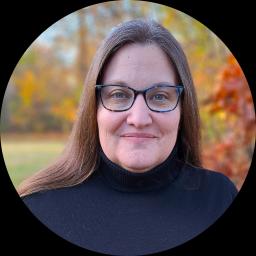
Jessica Senecal-Bennett, LICSW, LCSW
Compassionate practical therapy for life transitions
Opens BetterHelp in a new tab, where you can review online therapy options.
At a glance
- Listed location
- Massachusetts
- Experience
- 25+ years
- Credentials
- LICSW, LCSW
- Languages
- English
- License (Massachusetts)
- LICSW · No. LICSW115201
- License (Connecticut)
- LCSW · No. 014272
- License (Maine)
- LCSW · No. LC23922
- License (Vermont)
- LICSW · No. 089.0135305
- NPI
- 1083649222
Copied as listed by the therapist. You can check a license with the state board and an NPI with the national registry.
- Client-centered
- CBT tools
- Solution-focused
About Jessica
Her approach centers on listening first and meeting each person where they are. She blends client-centered therapy with practical tools from cognitive behavioral therapy and solution-focused work. Sessions often include skill-building for boundaries, coping, and workplace stressors.
Jessica has long experience supporting people after trauma and with relationship or intimacy concerns. She also works with issues such as caregiver strain, aging and geriatric issues, compassion fatigue, and isolation. Her background includes work across multiple settings over a 25-year career, which informs an adaptable, down-to-earth style.
In sessions she helps people identify small, manageable steps toward their goals. That can mean practicing new communication habits, testing a different way to handle anxiety, or building a routine to improve sleep. The focus is on what will help day-to-day functioning.
People who prefer a collaborative, straightforward approach often find her style helpful. She encourages clients to set goals and measures progress in concrete ways. To begin, clients complete a short matching questionnaire and schedule sessions according to therapist availability.
Areas of expertise
Primary focus
Also works with
Additional focus areas
Therapeutic approaches
Experience
25+ years
Credentials
Massachusetts, Connecticut, Maine, Vermont
Languages
English
How therapeutic approaches shape online care
Client-centered therapy focuses on the person's own goals and experiences. The therapist listens closely and helps clients name what matters most, then follows their lead to set priorities. Cognitive behavioral therapy (CBT) teaches practical skills to change unhelpful thoughts and behaviors. It is useful for anxiety, depression, sleep problems, and everyday stress by providing tools people can use between sessions. Emotionally-focused therapy (EFT) looks at how emotions drive reactions in relationships and helps people understand and shift those patterns to improve connection.Finding the best approach is a collaborative process. The therapist will talk with each person about goals, preferences, and what has or hasnt worked in the past. Together they choose methods to try and adjust them over time based on what helps in real life.
The biography does not list specific session formats here, so please confirm which options are offered before booking. Online therapy can make it easier to fit sessions into a busy week, reduce transit time, and allow follow-up work between meetings. It also lets people use quieter times, shorter check-ins, or audio-only conversations when that suits their schedule or bandwidth. Licensed professionals can adapt the chosen therapeutic approaches to work well in remote sessions, keeping the focus on practical steps and measurable progress.
Frequently asked questions
What kinds of problems does Jessica address?
She helps people with stress, anxiety, depression, trauma, relationship concerns, workplace difficulties, sleep problems, bipolar issues, and related struggles.
How would you describe her therapeutic style?
Her style is client-centered and pragmatic, combining listening with skill-building from cognitive behavioral and solution-focused methods.
What experience does she bring to therapy?
Jessica has 25 years of experience in mental health settings and draws on that background to adapt care to each person's needs.
Where is she licensed and based?
She practices from Massachusetts and holds the credentials LICSW and LCSW, with licensure details noted as VT LICSW and CT LCSW.
Which languages are supported for sessions?
Sessions are offered in English and she accepts international clients.
What session formats are available?
The original biography does not specify session formats; please confirm current session options before booking.
How are fees and payment handled?
Cost varies with location and therapist availability; sessions use a subscription that can be canceled at any time.
How do I begin working with her?
Click the Start Therapy button, complete a short matching questionnaire, and then schedule sessions according to therapist availability.