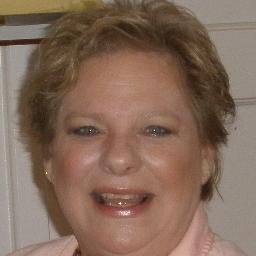
Linda Giles, LPC, LCMHC
Compassionate counselor for life transitions
Opens BetterHelp in a new tab, where you can review online therapy options.
At a glance
- Listed location
- Virginia
- Experience
- 28+ years
- Credentials
- LPC, LCMHC
- Languages
- English
- License (Virginia)
- LPC · No. 0701002197
- License (Virginia)
- LMFT · No. 0717000032
- License (North Carolina)
- LCMHC · No. 15116
- NPI
- 1013015312
Copied as listed by the therapist. You can check a license with the state board and an NPI with the national registry.
- Practical skill building
- Down-to-earth approach
- Aging and caregiver focus
About Linda
Areas of expertise
Primary focus
Also works with
Additional focus areas
Therapeutic approaches
Experience
28+ years
Credentials
Virginia, Virginia, North Carolina
Languages
English
How Linda Uses Different Approaches Online
Client-centered work focuses on understanding each person's experience and helping them set their own goals. In practice this means the therapist listens closely and reflects back what matters most to the client so they feel heard and can move forward. Cognitive behavioral therapy (CBT) looks at how thoughts influence feelings and behavior. It often involves identifying unhelpful thinking patterns and practicing new ways of responding, which can help with anxiety, depression, and mood regulation. Psychodynamic approaches pay attention to patterns that repeat over time and where they might come from. This can help people understand long-standing relationship or emotional patterns that cause distress. Finding the right mix of approaches is part of therapy. The therapist will work collaboratively to figure out which methods fit a person’s goals, needs, and preferences, and will adjust the plan as progress is made. Confirm the specific session options before booking since formats were not specified in the biography. Online work can make it easier to fit sessions into a busy week, allow shorter check-ins when needed, and reduce travel time, which helps people keep therapy consistent. Therapists and licensed professionals can help decide how to use online appointments to match everyday life.Frequently asked questions
What concerns does Linda address?
She helps people with stress, anxiety, depression, grief, addictions, relationship and parenting struggles, and aging and geriatric issues among other concerns.
How would you describe her therapeutic style?
Her style is down-to-earth and adaptable. She tailors methods to each person and focuses on teaching simple techniques to manage strong emotions.
What sort of experience does she bring?
She has 28 years of experience working in psychotherapy and has supported people through PTSD, mood disorders, anger challenges, and workplace stress.
Which credentials and location apply to this therapist?
She holds LPC (Licensed Professional Counselor) and LCMHC (Licensed Clinical Mental Health Counselor) credentials and practices in Virginia with licensure also in North Carolina.
Are sessions available in other languages?
Sessions are offered in English.
Can international clients work with this therapist?
International clients are not currently accepted.
How are fees and billing handled?
Cost varies with location and therapist availability; sessions use a subscription that can be canceled at any time.
What are the first steps to begin therapy?
Select the Start Therapy button, complete a short matching questionnaire, and schedule according to therapist availability.