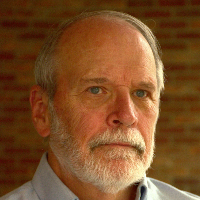
Stephen Drozda, CO Psychologist 1255
Experienced Colorado psychologist focused on practical solutions
Opens BetterHelp in a new tab, where you can review online therapy options.
At a glance
- Listed location
- Colorado
- Experience
- 49+ years
- Credentials
- CO Psychologist 1255
- Languages
- English
- License (Colorado)
- Psychologist · No. 1255
- NPI
- 1437318342
Copied as listed by the therapist. You can check a license with the state board and an NPI with the national registry.
- Problem-solving approach
- Works with seniors
- Video and phone sessions
About Stephen
He earned an M.A. and Ph.D. in psychology from the University of Missouri-Columbia and has worked in outpatient clinics, hospitals, residential centers, nursing facilities, and private practice. He has nearly five decades in mental health as a psychotherapist, evaluator, administrator, and graduate-level teacher. That range of settings informs a flexible, grounded style in sessions.
Sessions are guided with a cognitive-behavioral and solution-focused outlook. He also draws on dialectical behavior therapy techniques when they fit a person’s needs. In practice he tends to be active and problem-focused, helping people try practical steps between sessions.
He has worked with a variety of age groups, including seniors, and lists aging and geriatric issues among his focus areas. He also addresses caregiver stress, chronic illness and pain, mood and personality concerns, panic and obsessive-compulsive issues, and challenges linked to identity and intimacy.
Dr. Drozda conducts many sessions by video or phone and typically responds to client messages between appointments within about a day. He lives in the Denver area, enjoys outdoor activities and the arts, and brings a straightforward, solution-minded approach to therapy.
Areas of expertise
Primary focus
Also works with
Additional focus areas
Therapeutic approaches
Experience
49+ years
Credentials
Colorado
Languages
English
How his approaches translate to online therapy
CBT, or cognitive behavioral therapy, focuses on identifying unhelpful thoughts and changing behaviors that keep problems going. It is often used for anxiety, depression, panic, and coping with life changes. DBT, or dialectical behavior therapy techniques, teach skills for managing intense emotions and improving interpersonal effectiveness; they can help with emotional regulation, anger, and relationship stress.Solution-Focused Therapy concentrates on practical, short-term steps and the client's own strengths to create change quickly. Sessions using this approach typically set small, achievable goals and track progress from meeting to meeting. Together, these approaches give a mix of skill-building and goal-directed work that many people find useful for day-to-day challenges.
Finding the right mix of approaches is a collaborative process. The therapist will discuss goals, needs, and preferences and tailor methods accordingly. Clients and the therapist decide together which techniques to use and adjust them over time based on what helps.
The biography indicates he conducts many sessions by video or phone, but session formats can vary, so confirm current options before booking. Online sessions can make it easier to fit therapy into a busy schedule, allow shorter check-ins when needed, and remove travel time. These practical benefits often help people maintain continuity of care and apply skills in their everyday lives.
Frequently asked questions
What concerns does he address?
He helps with stress, anxiety, depression, grief, relationship and family problems, trauma and abuse, addictions, and many mood or personality issues. Aging and geriatric issues and caregiver stress are listed among his additional focuses.
How would you describe his therapy style?
He uses an active, problem-solving approach driven by cognitive-behavioral and solution-focused methods, and borrows DBT techniques when useful. Sessions emphasize practical steps clients can try between meetings.
What is his professional background?
He has 49 years in mental health as a psychotherapist, psychological evaluator, administrator, and graduate-level teacher. He earned an M.A. and Ph.D. in psychology from the University of Missouri-Columbia.
Where is he based and what credential does he hold?
He practices in Colorado and holds the credential CO Psychologist 1255 as listed.
Which languages are offered for sessions?
Sessions are offered in English.
Can I work with him from outside the country?
He does not accept international clients at this time.
How much do sessions cost?
Cost varies with location and therapist availability; sessions use a subscription that can be canceled at any time.
How do I begin working with him?
Select the Start Therapy button, complete the short matching questionnaire, and schedule according to the therapist's availability.