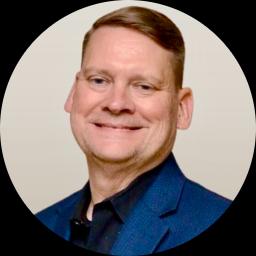
Brian Sharp, LPCC, LPC
Practical therapy for everyday challenges
Opens BetterHelp in a new tab, where you can review online therapy options.
At a glance
- Listed location
- Texas
- Experience
- 5+ years
- Credentials
- LPCC, LPC
- Languages
- English
- License (Texas)
- LPC · No. 84754
- License (Missouri)
- LPC · No. 2025008418
- License (California)
- LPCC · No. 21044
- License (New Jersey)
- LPC · No. 37PC01200400
- NPI
- 1184380222
Copied as listed by the therapist. You can check a license with the state board and an NPI with the national registry.
- Evidence informed
- Goal focused
- Supportive approach
About Brian
Areas of expertise
Primary focus
Also works with
Additional focus areas
Therapeutic approaches
Experience
5+ years
Credentials
Texas, Missouri, California, New Jersey
Languages
English
How therapy approaches translate to online work
Acceptance and Commitment Therapy (ACT) focuses on helping people live by their values while accepting uncomfortable thoughts and feelings. It is useful for anxiety, depression, and life changes because it emphasizes committed action rather than getting stuck in avoidance. Cognitive Behavioral Therapy (CBT) breaks problems into thoughts, feelings, and behaviors and teaches practical skills to change unhelpful patterns. It often helps with anxiety, low mood, and coping with stress. Mindfulness Therapy teaches simple attention and breathing skills to reduce reactivity and increase awareness of the present moment, which can support emotional regulation and stress management.Finding the right approach is a collaborative process. The therapist will work with each person to identify goals, try techniques, and adjust methods based on what helps most. That collaboration guides whether ACT, CBT, mindfulness, or a blend of methods is used in sessions.
The original profile did not list specific online formats, so please confirm current session options before booking. Online therapy can make it easier to fit sessions into a busy life, reduce commute time, and allow for shorter check-ins when needed. It also makes working with a licensed professional more flexible around work and caregiving commitments, while still focusing on practical skills and real-world problem solving.
Frequently asked questions
What kinds of concerns does this therapist help with?
He helps people with stress, anxiety, depression, addiction, low self-esteem, relationship problems, career strain, and coping with life changes.
What is the therapy style like?
Sessions are practical and collaborative, with a focus on strategies you can use day to day and time spent clarifying goals and skills.
How much experience does he have?
He has five years of experience working as a licensed therapist with adults on a range of emotional and behavioral concerns.
What credentials and location are listed?
He is listed as LPCC and LPC and practices in Texas with those credentials noted as CA LPCC and TX LPC.
Which languages are supported for sessions?
Sessions are offered in English.
What session formats are available?
The original biography does not specify session formats; please confirm current session options before booking.
How is cost handled for sessions?
Cost varies with location and therapist availability and sessions use a subscription that can be canceled at any time.
How do I begin working with this therapist?
Click the Start Therapy button, complete a short matching questionnaire, and schedule according to the therapist's availability.