
Audrey Kelly
LMFTOklahoma · 21 yrs exp
Practical, collaborative care for life transitions
Stress, Anxiety · Relationship · Family · Self esteem · +8 more
Read profileTherapist listings are provided by BetterHelp. We will earn a commission at no additional cost to you if you use our links to purchase.
This listing gathers profiles of clinicians who list Forgiveness among their specialties and who also indicate experience with aging and later-life concerns. Use the profiles to compare focus areas, approaches, listed location, languages, and credentials as you decide who to contact.
Oklahoma · 21 yrs exp
Practical, collaborative care for life transitions
Stress, Anxiety · Relationship · Family · Self esteem · +8 more
Read profile
Michigan · 25 yrs exp
Compassionate counselor guiding practical change
Stress, Anxiety · LGBT · Relationship · Grief · +10 more
Read profile
Colorado · 19 yrs exp
Experienced LCSW focused on practical support
Stress, Anxiety · Relationship · Trauma and abuse · Grief · +12 more
Read profile
Florida · 20 yrs exp
Practical support for addiction and life changes
Stress, Anxiety · Addictions · Relationship · Self esteem · +16 more
Read profile
Mississippi · 16 yrs exp
Compassionate relationship-focused counselor
Stress, Anxiety · Relationship · Family · Parenting · +6 more
Read profile
Oregon · 26 yrs exp
Compassionate, practical support for life transitions
Stress, Anxiety · Trauma and abuse · Grief · Depression · +10 more
Read profile
New York · 25 yrs exp
Helping people manage change and distress
Stress, Anxiety · Addictions · Trauma and abuse · Self esteem · +11 more
Read profile
Texas · 22 yrs exp
Compassionate practical therapy for life transitions
Stress, Anxiety · Grief · Career · Depression · +9 more
Read profile
Missouri · 16 yrs exp
Practical, empathetic social work for life changes
Stress, Anxiety · Trauma and abuse · Self esteem · Bipolar · +12 more
Read profile
New York · 11 yrs exp
Experienced counselor for life transitions
Stress, Anxiety · Grief · Self esteem · Relationship · +8 more
Read profile
Texas · 10 yrs exp
Calm guidance for practical progress
Stress, Anxiety · Relationship · Family · Depression · +14 more
Read profile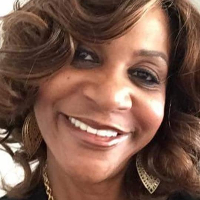
Ohio · 18 yrs exp
Empathetic, practical counseling for life changes
Stress, Anxiety · Trauma and abuse · Grief · Anger · +11 more
Read profile
Illinois · 10 yrs exp
Compassionate counselor for life transitions
Stress, Anxiety · LGBT · Relationship · Trauma and abuse · +10 more
Read profile
Oklahoma · 30 yrs exp
Compassionate counselor who values dignity and progress
Stress, Anxiety · Grief · Intimacy-related issues · Depression · +8 more
Read profile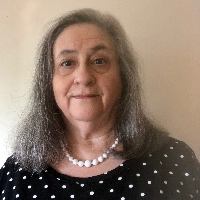
Mississippi · 23 yrs exp
A steady, practical guide through life transitions
Stress, Anxiety · Grief · Anger · Self esteem · +8 more
Read profile
Florida · 10 yrs exp
Practical, compassionate therapy for life transitions
Stress, Anxiety · Addictions · Family · Grief · +8 more
Read profile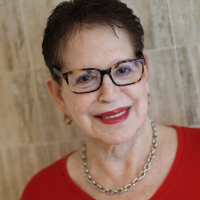
Florida · 18 yrs exp
Compassionate counselor for life transitions
Stress, Anxiety · Relationship · Grief · Depression · +12 more
Read profile
Michigan · 21 yrs exp
Warm, practical social work support
Stress, Anxiety · Relationship · Family · Bipolar · +14 more
Read profile
Texas · 21 yrs exp
Practical support for life transitions and relationships
Stress, Anxiety · Relationship · Trauma and abuse · Intimacy-related issues · +15 more
Read profile
Wisconsin · 26 yrs exp
Compassionate counselor with practical experience
Stress, Anxiety · Self esteem · Career · Coping with life changes · +11 more
Read profile
Missouri · 14 yrs exp
Compassionate counselor focused on practical change
Stress, Anxiety · Self esteem · Career · Depression · +13 more
Read profile
Illinois · 25 yrs exp
Experienced LCSW guiding practical change
Stress, Anxiety · Self esteem · Career · Coping with life changes · +10 more
Read profile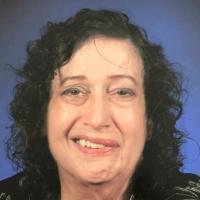
Florida · 30 yrs exp
Experienced Florida psychologist focused on practical outcomes
Stress, Anxiety · Grief · Anger · Depression · +15 more
Read profile
Florida · 30 yrs exp
Compassionate therapist for relationship and life change
Stress, Anxiety · Relationship · Intimacy-related issues · Self esteem · +8 more
Read profileAs you move through retirement, health changes, loss, caregiving roles, or shifting family ties, questions about forgiveness often emerge. You may be thinking about unresolved conflicts with family members, regrets about past choices, or the desire to restore meaning as you adjust to new routines. Forgiveness in later life can be about reordering priorities, repairing relationships, or finding a sense of inner peace. For adult children supporting a parent, these questions can also involve complicated loyalties, long histories, and practical decisions about communication and boundaries.
Therapeutic conversations about forgiveness can take many forms. Some people want to reconcile and rebuild a relationship. Others want to redefine their feelings about a person who caused harm without reopening contact. You might focus on grieving what you lost, finding ways to let go of anger that consumes mental energy, or exploring how unresolved issues shape the meaning you make of this stage of life. It helps to be clear about whether your goal is a change in relationship, a shift in how you hold painful memories, or simply greater emotional ease as you navigate aging.
Forgiveness is often one thread in a broader set of later-life concerns rather than a standalone treatment goal. If you are seeking help through this directory, you will find clinicians whose profiles name both Forgiveness and aging-related issues among their focus areas. That listing signals that those clinicians have chosen to highlight these topics in their public profile, but it does not imply a specific outcome or a particular method. When you review profiles, look for descriptions that match the kind of work you imagine - for instance, reconciliation with estranged family members, coping with caregiving resentment, or processing loss and regret as roles change.
When forgiveness and aging overlap, practical matters often arise alongside emotional ones. Retirement may shift daily rhythms and invitations for contact, health changes can make certain tensions feel more urgent, and the responsibilities of caregiving can bring longstanding resentments to the surface. You may be negotiating estate decisions, communicating about long-term care, or trying to preserve relationship quality while asserting boundaries. In those mixed contexts, a clinician who lists both Forgiveness and later-life concerns may be prepared to talk about interpersonal history, meaning-making, and the real-world logistics that shape emotions in this phase.
When you read a profile, think about what you need to learn next and what to ask during an initial contact. You might ask how much of a clinician’s work with older adults involves grief, caregiving stress, or family reconciliation, and whether they have experience addressing the kinds of losses you face. Ask which therapeutic approaches they list on their profile and what those approaches look like in practice for forgiveness work. For example, clinicians may list narrative work, cognitive behavioral approaches, mindfulness, or other approaches; you can say you are interested in hearing how a given approach would be applied to forgiveness in later life. If you see that a clinician lists EMDR among their approaches, you can ask how that approach might be integrated when addressing historical hurts, recognizing that the profile only indicates the approach is among those they use.
It is also useful to clarify credentials in practical terms. A degree such as a PhD, PsyD, MD, MA, or MSW denotes academic training, but a degree alone does not establish current permission to practice. In the United States you can ask about the clinician’s state license and the type of license they hold. In the United Kingdom or Australia you can ask whether the clinician is registered or holds relevant professional membership that supports practice in that country. Profiles often list degrees, credential abbreviations, and membership claims; use those details as starting points for questions rather than as proof of scope or method.
Before beginning work with someone listed in the directory, you may want to cover several practical topics so you know what to expect. Discuss whether the clinician can work with you given your listed location or jurisdiction, especially if you are living in a different state or country than the clinician’s listed location. Ask about session structure and how forgiveness-related goals would be approached over time. If technology will be involved, check what platforms they use and what privacy measures are in place to protect your conversations. It is reasonable to ask how they handle emergencies or crisis situations, and whether you and your family should have a plan in case immediate help is needed.
If cognitive changes, hearing differences, mobility concerns, or caregiving responsibilities affect how you engage in sessions, bring those up early so you can learn how the clinician adapts their approach. You may want to involve a family member or caregiver in some conversations; clarify how that involvement would be handled and what the clinician lists as their scope for working with multiple people. Discuss language needs if English is not your first language, and ask whether interpretation or bilingual services are offered. Clear, upfront conversations about these logistical concerns help you focus later on the emotional and relational work of forgiveness.
As you browse profiles, compare them with specific questions in mind rather than relying on general impressions alone. Look for clinicians who explicitly list topics that matter to you, such as caregiving stress, bereavement, family reconciliation, retirement transitions, or meaning-making in later life. Note the languages listed on a profile if you prefer to work in a language other than English. Check degrees and any practice-related credentials mentioned on the profile, and then ask clinicians how those qualifications relate to their current permission to practice where you live. Remember that a degree such as an MSW or PhD is distinct from a license or registration that authorizes practice in a jurisdiction.
Pay attention to how a clinician describes their approach and style on the profile. Some profiles emphasize practical skills and structured methods, while others emphasize reflective, narrative, or meaning-focused work. The tone of the profile can be an indicator of whether a clinician is directive, exploratory, warm, or analytical in their writing. You might decide to prioritize clinicians who list experience with issues similar to yours, those who speak your language, or those whose profile language makes you feel understood. After narrowing your options, reach out with the concrete questions described earlier so you can make a thoughtful choice about who to contact for a first conversation.
Forgiveness in later life is a personal journey that often intersects with concrete life changes. Using profiles to compare focus areas, approaches, listed location, languages, and credentials can help you identify clinicians whose public descriptions match the kind of work you want to explore. From there, a short introductory conversation can clarify how a clinician would address your goals and whether their approach fits the way you prefer to work.
Alabama
85 therapists
Alaska
6 therapists
Arizona
76 therapists
Arkansas
43 therapists
Australia
100 therapists
California
410 therapists
Colorado
124 therapists
Connecticut
40 therapists
Delaware
12 therapists
District of Columbia
13 therapists
Florida
610 therapists
Georgia
177 therapists
Hawaii
17 therapists
Idaho
34 therapists
Illinois
204 therapists
Indiana
72 therapists
Iowa
34 therapists
Kansas
36 therapists
Kentucky
68 therapists
Louisiana
86 therapists
Maine
19 therapists
Maryland
70 therapists
Massachusetts
75 therapists
Michigan
220 therapists
Minnesota
57 therapists
Mississippi
44 therapists
Missouri
142 therapists
Montana
36 therapists
Nebraska
28 therapists
Nevada
32 therapists
New Hampshire
15 therapists
New Jersey
114 therapists
New Mexico
34 therapists
New York
251 therapists
North Carolina
208 therapists
North Dakota
6 therapists
Ohio
135 therapists
Oklahoma
86 therapists
Oregon
46 therapists
Pennsylvania
167 therapists
Rhode Island
8 therapists
South Carolina
95 therapists
South Dakota
9 therapists
Tennessee
84 therapists
Texas
487 therapists
United Kingdom
996 therapists
Utah
30 therapists
Vermont
11 therapists
Virginia
94 therapists
Washington
63 therapists
West Virginia
17 therapists
Wisconsin
101 therapists
Wyoming
16 therapists