
Patricia Godwin
LCSWUtah · 25 yrs exp
Compassionate clinician for life transitions
Stress, Anxiety · Relationship · Self esteem · Career · +9 more
Read profileTherapist listings are provided by BetterHelp. We will earn a commission at no additional cost to you if you use our links to purchase.
Use this Utah page to compare therapist profiles by focus areas, clinical approaches, languages, academic degrees and practice settings. Browse the profiles below to find clinicians who list aging and later-life concerns and review each profile for permission to work where you live.
Utah · 25 yrs exp
Compassionate clinician for life transitions
Stress, Anxiety · Relationship · Self esteem · Career · +9 more
Read profile
Utah · 32 yrs exp
Compassionate, practical care for life's changes
Stress, Anxiety · Relationship · Parenting · Depression · +1 more
Read profile
Utah · 4 yrs exp
Hopeful, practical therapy for life and relationships
Addictions · Relationship · Trauma and abuse · Self esteem · +1 more
Read profile
Utah · 3 yrs exp
Compassionate LCSW for life transitions
Stress, Anxiety · Relationship · Self esteem · Depression
Read profile
Utah · 6 yrs exp
Compassionate, practical care for emotional strain
Stress, Anxiety · Trauma and abuse · Grief · Depression · +1 more
Read profile
Utah · 3 yrs exp
Practical support for stress and life transitions
Stress, Anxiety · Addictions · Relationship · Grief · +1 more
Read profile
Utah · 32 yrs exp
Practical strategies for life transitions
Stress, Anxiety · Self esteem · Bipolar · Depression · +9 more
Read profile
Utah · 10 yrs exp
Grounded counseling for life transitions
Stress, Anxiety · Addictions · Trauma and abuse · Grief · +14 more
Read profile
Utah · 20 yrs exp
Compassionate therapist for life transitions
Stress, Anxiety · Addictions · Relationship · Family · +13 more
Read profile
Utah · 25 yrs exp
Experienced LCSW focused on meaningful change
Stress, Anxiety · Family · Trauma and abuse · Anger · +15 more
Read profile
Utah · 20 yrs exp
Compassionate practical therapy for life changes
Stress, Anxiety · Addictions · Trauma and abuse · Self esteem · +12 more
Read profile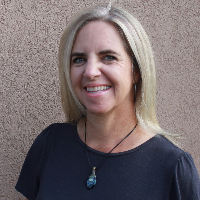
Utah · 12 yrs exp
Compassionate counselor for life transitions
Stress, Anxiety · Grief · Parenting · Self esteem · +12 more
Read profile
Utah · 12 yrs exp
Practical therapy for life changes and relationships
Stress, Anxiety · Relationship · Family · Grief · +13 more
Read profile
Utah · 8 yrs exp
Practical counseling for life and relationships
Stress, Anxiety · Relationship · Trauma and abuse · Self esteem · +14 more
Read profile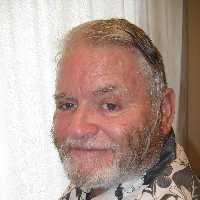
Utah · 22 yrs exp
Compassionate counselor focused on real-life change
Stress, Anxiety · Relationship · Family · Grief · +6 more
Read profile
Utah · 25 yrs exp
Helping people reclaim control and hope
Relationship · Family · Parenting · Anger · +14 more
Read profile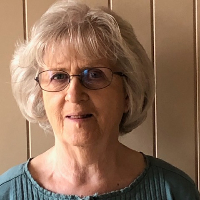
Utah · 22 yrs exp
Experienced clinician for life transitions
Stress, Anxiety · Addictions · Relationship · Grief · +13 more
Read profile
Utah · 20 yrs exp
Experienced trauma-informed counselor focused on practical care
Stress, Anxiety · Trauma and abuse · Grief · Bipolar · +13 more
Read profile
Utah · 18 yrs exp
Compassionate, practical therapy for life transitions
Stress, Anxiety · Relationship · Trauma and abuse · Bipolar · +13 more
Read profile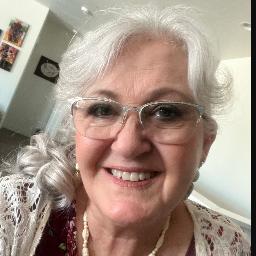
Utah · 24 yrs exp
A steady, practical guide through life changes
Stress, Anxiety · Relationship · Trauma and abuse · Depression · +15 more
Read profile
Utah · 4 yrs exp
Compassionate, practical therapy for life transitions
Stress, Anxiety · Grief · Depression · Coping with life changes · +15 more
Read profile
Utah · 12 yrs exp
Compassionate support for life transitions
Grief · Self esteem · Coping with life changes · Compassion fatigue · +14 more
Read profile
Utah · 50 yrs exp
Experienced LCSW guiding practical change
Stress, Anxiety · Intimacy-related issues · Self esteem · Depression · +7 more
Read profile
Utah · 5 yrs exp
Compassionate, practical support for life changes
Stress, Anxiety · Addictions · Family · Depression · +10 more
Read profileAs you think about therapy in relation to retirement, health changes, loss, loneliness, caregiving tasks or shifting family roles, it helps to name the concerns you want to address. You might be navigating the life transition of leaving paid work and looking for purpose in a new daily rhythm. You could be supporting an aging parent while managing your own responsibilities. You may be coping with grief after losing a partner, friend, or peer and noticing how that loss affects your sense of meaning. Some people reach out because loneliness has become more frequent, while others want to work on family tensions that emerged when caregiving responsibilities began to shift.
Therapists who list aging or geriatric issues among their focus areas often describe the kinds of situations they work with, but the wording varies. Look for language that reflects your priorities - whether that is practical problem solving around caregiving, emotional processing of loss, navigating changing social networks, or exploring life purpose after retirement. The directory groups profiles under the listed location Utah, but a focus area on a profile does not guarantee that a clinician provides all types of help, so plan to raise specific concerns when you contact a clinician.
Whether you are an older adult looking for support or an adult child coordinating care, bring concrete examples of what you want from therapy to initial conversations. Clear descriptions make it easier to compare profiles and decide which clinicians to contact for an exploratory discussion.
The profiles on this page are grouped by the listed location Utah. A listed location does not prove an office exists at that address, show physical proximity, or confirm permission to practice with residents in a particular area. Always check the individual profile and confirm with the clinician that they are permitted to work with you where you live before planning sessions. This is especially important if you plan to meet in person or across state or national boundaries.
When you review credentials, separate academic degrees from professional permission to practice. Degrees such as PhD, PsyD, MD, MA and MSW describe educational attainment. A degree alone does not establish current permission to practice. In the United States, therapists and counselors typically hold a state license that indicates legal permission to provide care in that state. Common examples of professional license abbreviations are LCSW, LPC and LMFT, but exact titles and requirements vary by state. In the United Kingdom and Australia, clinicians may list registration or membership with national or professional bodies instead of a state license. Profiles may note registration or association membership, so ask clinicians to clarify what their credentialing means for practice in your area.
Because degrees and credentials are described in different ways across countries and disciplines, ask a clinician to explain their credentials and whether they have current permission to work with you in Utah or wherever you are located.
When you contact a clinician, specific questions will help you compare how they describe their work. You can ask how they typically approach issues common in later life, phrased to invite practical examples. For instance, ask which approaches they use with older adults and how those approaches are adapted for concerns such as retirement adjustment, grief, or caregiver stress. If a profile lists particular techniques or modalities, ask how those are applied in sessions and whether they have experience using them with people facing similar life circumstances. Use language such as therapists who list EMDR among their approaches to refer to approaches noted on profiles without assuming training or certification.
Ask about direct experience rather than vague years in practice. You might request examples of issues they have worked with recently that resemble yours, the kinds of goals clients typically set, and how they measure progress in a way that matches your expectations. If family relationships or caregiving roles are central, ask whether they involve family members in sessions and, if so, how they manage differing preferences among relatives. If language access matters to you, confirm the languages they work in and whether they use interpreters, and ask how they handle cultural values that affect aging and family dynamics.
These concrete questions give you material to compare across profiles. Note that clinicians may describe approaches and experience differently, so ask follow-up questions to ensure you understand how a clinician’s style and focus align with your needs.
If you are considering remote sessions, there are practical topics to cover before beginning. Confirm that the clinician has permission to work with you where you live, since laws and regulations about cross-state or cross-country practice vary. Discuss the technology platform you will use and any accessibility needs you have, such as larger text, telephone-based sessions, or captioning. Talk about where you will take sessions on your side - choosing a quiet room, a consistent comfortable environment and arranging for minimal interruptions helps the clinician and you concentrate on the work.
It is also wise to ask about routine logistics and contingency plans. Ask how the clinician handles interruptions or disconnections, how to reschedule a session, and what to do if you need urgent support between appointments. You may want to discuss coordination with other professionals involved in your care, such as primary care providers or community support services, and whether the clinician is willing to communicate with them with your permission. Clarify time zones, session length and the preferred ways to exchange documents or notes. These practical conversations set expectations and reduce confusion once sessions begin.
Before starting online care, you should also discuss whether the clinician has experience working with the specific issues you brought up in your initial review of profiles. That helps ensure the approach and logistics will support the kind of work you want to do.
Comparing profiles is most useful when you look at a combination of factors rather than a single item. Focus areas tell you the topics a clinician lists, such as aging, bereavement, caregiving support, or family relationships. Read the descriptive text on profiles to see how clinicians frame those topics and what they emphasize. Languages listed on a profile indicate the languages a clinician may use in sessions, which can be important for nuance and cultural fit. If language matters, ask for a sample conversation about a topic you care about to assess comfort and fluency.
Consider academic degrees separately from professional permission to practice. A clinician may hold a PhD, PsyD or MSW and also hold a license or registration that allows them to provide care in certain jurisdictions. When comparing credentials, prefer clear statements that explain what a degree and any license or registration mean for the clinician’s ability to work with you in Utah or elsewhere. Also review the therapist’s described style and interpersonal approach. Some clinicians highlight a direct, problem-solving tone while others emphasize reflection and meaning-centered work. Read profile language for clues about pace, structure and the kinds of goals they tend to support.
Finally, use profile details to form a short list of clinicians to contact and prepare the practical questions from earlier sections. Comparing multiple profiles on the same criteria - focus areas, languages, degrees and the way each clinician describes their approach - helps you make an informed choice about who to speak with first. Remember to confirm permission to work together where you live and to ask any clarifying questions you need before making a decision about beginning care.
Chronic Illness
2666 therapists
Depression
5400 therapists
Grief
4881 therapists
Guilt and Shame
4692 therapists
Isolation / Loneliness
4738 therapists
Mood Disorders
3731 therapists
Self Esteem
5229 therapists
Sleeping Disorders
2080 therapists
Stress & Anxiety
5759 therapists
Trauma and Abuse
4612 therapists
Aging and Geriatric Issues
6041 therapists
Caregiver Issues and Stress
4532 therapists
Compassion Fatigue
3394 therapists
Coping with Life Changes
5135 therapists
Divorce
4056 therapists
Family
4349 therapists
Family of Origin Issues
3144 therapists
Forgiveness
4451 therapists
Hospice and End-of-Life Counseling
2913 therapists
Life Purpose
4904 therapists
Money and Financial Issues
2512 therapists
Relationship
4966 therapists