
Anne Douglas
LMFTNorth Carolina · 25 yrs exp
Compassionate therapist for life transitions
Stress, Anxiety · Relationship · Family · Grief · +15 more
Read profileTherapist listings are provided by BetterHelp. We will earn a commission at no additional cost to you if you use our links to purchase.
This page groups professionals who list Hospice and End-of-Life Counseling alongside aging and later-life concerns, so you can compare profiles by approach, credentials, languages, and listed location. Browse the profiles to see how each therapist describes their focus, experience, and the ways they work with individuals and families facing later-life transitions.
North Carolina · 25 yrs exp
Compassionate therapist for life transitions
Stress, Anxiety · Relationship · Family · Grief · +15 more
Read profile
Michigan · 25 yrs exp
Compassionate counselor guiding practical change
Stress, Anxiety · LGBT · Relationship · Grief · +10 more
Read profile
Colorado · 19 yrs exp
Experienced LCSW focused on practical support
Stress, Anxiety · Relationship · Trauma and abuse · Grief · +12 more
Read profile
Mississippi · 16 yrs exp
Compassionate relationship-focused counselor
Stress, Anxiety · Relationship · Family · Parenting · +6 more
Read profile
Oregon · 26 yrs exp
Compassionate, practical support for life transitions
Stress, Anxiety · Trauma and abuse · Grief · Depression · +10 more
Read profile
Louisiana · 7 yrs exp
Therapist who blends practical tools with purpose
Stress, Anxiety · Family · Trauma and abuse · Parenting · +15 more
Read profile
Maryland · 6 yrs exp
Calm, collaborative care for life transitions
Stress, Anxiety · Trauma and abuse · Self esteem · Coping with life changes · +10 more
Read profile
Texas · 22 yrs exp
Compassionate practical therapy for life transitions
Stress, Anxiety · Grief · Career · Depression · +9 more
Read profile
Missouri · 16 yrs exp
Practical, empathetic social work for life changes
Stress, Anxiety · Trauma and abuse · Self esteem · Bipolar · +12 more
Read profile
New York · 11 yrs exp
Experienced counselor for life transitions
Stress, Anxiety · Grief · Self esteem · Relationship · +8 more
Read profile
Ohio · 33 yrs exp
Compassionate counselor for life transitions
Stress, Anxiety · Family · Trauma and abuse · Self esteem · +12 more
Read profile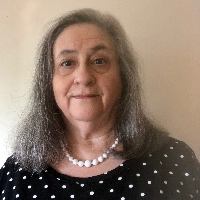
Mississippi · 23 yrs exp
A steady, practical guide through life transitions
Stress, Anxiety · Grief · Anger · Self esteem · +8 more
Read profile
Georgia · 14 yrs exp
Compassionate counselor for life transitions and aging concerns
Stress, Anxiety · LGBT · Trauma and abuse · Anger · +9 more
Read profile
Florida · 18 yrs exp
Compassionate counselor for life transitions
Stress, Anxiety · Relationship · Grief · Depression · +12 more
Read profile
Texas · 21 yrs exp
Practical support for life transitions and relationships
Stress, Anxiety · Relationship · Trauma and abuse · Intimacy-related issues · +15 more
Read profile
Louisiana · 10 yrs exp
Practical, compassionate counseling for life transitions
Stress, Anxiety · Grief · Anger · Depression · +8 more
Read profile
Missouri · 14 yrs exp
Compassionate counselor focused on practical change
Stress, Anxiety · Self esteem · Career · Depression · +13 more
Read profile
Illinois · 25 yrs exp
Experienced LCSW guiding practical change
Stress, Anxiety · Self esteem · Career · Coping with life changes · +10 more
Read profile
Virginia · 31 yrs exp
Compassionate social worker for life transitions
Stress, Anxiety · Relationship · Family · Trauma and abuse · +12 more
Read profile
Mississippi · 25 yrs exp
Supportive counseling for life's transitions
Stress, Anxiety · Relationship · Family · Grief · +15 more
Read profile
Texas · 20 yrs exp
Experienced LICSW focused on practical change
Stress, Anxiety · Addictions · Family · Grief · +15 more
Read profile
Florida · 10 yrs exp
Compassionate, strengths-based therapy for life transitions
Stress, Anxiety · Trauma and abuse · Grief · Depression · +12 more
Read profile
Illinois · 12 yrs exp
Compassionate guidance for lasting emotional change
Trauma and abuse · Self esteem · Coping with life changes · Coaching · +8 more
Read profile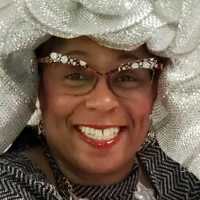
Michigan · 24 yrs exp
Guiding steady change with practical care
Stress, Anxiety · Addictions · Relationship · Family · +1 more
Read profileWhen you or someone you care about is facing advanced illness, bereavement, or decisions about care near the end of life, a therapist can be a source of practical coping strategies and emotional support. Typical concerns include adapting to retirement or a changed daily routine, coping with health changes that affect independence, dealing with grief both anticipated and after a loss, and managing loneliness when social networks shrink. Caregiving roles often become central as family members shift responsibilities and negotiate boundaries. Conversations about meaning, legacy, and unresolved relationships are also common later-life issues that people bring to counseling.
You should expect a therapist to listen to what matters most to you at this stage - whether that is making sense of loss, supporting a caregiver role, repairing or protecting family relationships, or exploring what gives your life purpose now. For adult children supporting a parent, counseling can help you navigate shifting roles, set realistic expectations, and find ways to communicate across generations. Profiles may mention approaches to grief, supportive counseling, or meaning-centered work; these are descriptions you can use to decide which profiles to read more closely.
This directory groups practitioners who list Hospice and End-of-Life Counseling together with aging and later-life concerns so you can compare professionals whose profiles reflect that intersection. A listing of both topics indicates that a therapist includes these issues among their focus areas, but it does not prove specialist certification or a particular scope of practice. Use profiles to learn how each therapist frames their work, the populations they mention, and the languages they offer.
Because the directory includes professionals from the United States, the United Kingdom, and Australia, you will see different terms and credential notes in profiles. Some entries describe academic degrees like PhD, PsyD, MD, MA, or MSW. Those are markers of education but do not by themselves show whether a person currently holds permission to practice in a jurisdiction. Profiles may also note professional registration, membership, or licensing terminology specific to a country or region. Read the wording carefully to understand what each profile actually states about training, registration, or practice focus.
When you review profiles, think about concrete questions to bring up when you contact a therapist. You might ask how they typically support someone who is anticipating loss versus someone who is grieving after a death. Ask whether they have experience working with caregivers who are balancing care tasks and their own wellbeing, and whether they have supported adult children who are managing family decision making. If family dynamics are a concern, ask how the therapist describes their approach to conversations that involve multiple relatives.
It is useful to inquire about the therapeutic approaches listed in a profile. Some profiles note cognitive behavioral approaches, narrative work, meaning-centered therapy, supportive counseling, or that therapists list EMDR among their approaches. These mentions describe what a therapist may draw on in sessions; they do not prove specific certifications. You should also ask about the population focus - whether the therapist has experience with later-life transitions, chronic illness, bereavement across the lifespan, or working with people from diverse cultural backgrounds. Concrete questions help you compare how different profiles match your situation.
If you are considering online care, raise practical topics early so you know what to expect. Confirm the platform or method the therapist plans to use, what basic technical requirements you will need, and how they handle record keeping and the protection of your information. Discuss time zones and scheduling conventions that may affect session times when a therapist lists a different listed location than where you are based. You should also ask where the therapist is authorized to practice and how that affects care across state or national borders.
Talk about emergency planning before you begin. Ask how the therapist handles urgent situations and what local supports or services they recommend if you are in a different city or country than the practitioner. If you have hearing, vision, or mobility needs that affect online sessions, ask how they accommodate those needs. Finally, discuss whether they involve family members in sessions and, if so, how they structure those conversations so that roles and expectations are clear for everyone involved.
Profiles in this directory are written by individual practitioners and often highlight what each person sees as their primary focus. To compare effectively, read how a profile describes areas like aging and later-life concerns, hospice and end-of-life counseling, caregiver support, or bereavement. Look for specific language about populations served, such as older adults, family caregivers, or people living with serious illness. Note which profiles mention working across generations or with adult children navigating family decision making.
Pay attention to languages listed in profiles if communicating in a particular language matters to you. The presence of a language in a profile may make it easier to build rapport and express nuanced feelings. When you review credentials, separate academic degrees from professional permissions. A PhD, PsyD, MD, MA, or MSW signals formal education. Licensing, registration, or membership notes indicate the pathway to professional practice in a particular country. In the United States you will often see references to state licenses, in the United Kingdom you may see references to registration or membership with recognized professional bodies, and in Australia profiles may refer to national registration or association membership. Each of these descriptions has different implications for how practice is regulated in that country.
Finally, consider tone and style. Some profiles emphasize a practical problem-solving approach, others describe longer conversations about meaning and legacy, and some highlight family systems or supportive counseling. A sentence in a profile that explains how the therapist describes their work will often tell you more than a short list of techniques. Remember that a listed topic does not establish whether a therapist works with couples, families, or children; you should discuss scope directly with any practitioner you contact to confirm they match your specific needs.
Alabama
85 therapists
Alaska
6 therapists
Arizona
76 therapists
Arkansas
43 therapists
Australia
100 therapists
California
410 therapists
Colorado
124 therapists
Connecticut
40 therapists
Delaware
12 therapists
District of Columbia
13 therapists
Florida
610 therapists
Georgia
177 therapists
Hawaii
17 therapists
Idaho
34 therapists
Illinois
204 therapists
Indiana
72 therapists
Iowa
34 therapists
Kansas
36 therapists
Kentucky
68 therapists
Louisiana
86 therapists
Maine
19 therapists
Maryland
70 therapists
Massachusetts
75 therapists
Michigan
220 therapists
Minnesota
57 therapists
Mississippi
44 therapists
Missouri
142 therapists
Montana
36 therapists
Nebraska
28 therapists
Nevada
32 therapists
New Hampshire
15 therapists
New Jersey
114 therapists
New Mexico
34 therapists
New York
251 therapists
North Carolina
208 therapists
North Dakota
6 therapists
Ohio
135 therapists
Oklahoma
86 therapists
Oregon
46 therapists
Pennsylvania
167 therapists
Rhode Island
8 therapists
South Carolina
95 therapists
South Dakota
9 therapists
Tennessee
84 therapists
Texas
487 therapists
United Kingdom
996 therapists
Utah
30 therapists
Vermont
11 therapists
Virginia
94 therapists
Washington
63 therapists
West Virginia
17 therapists
Wisconsin
101 therapists
Wyoming
16 therapists