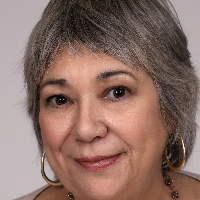
Roxy Mico
LCSWHawaii · 32 yrs exp
Compassionate, practical therapy for life transitions
Stress, Anxiety · Relationship · Trauma and abuse · Anger · +12 more
Read profileTherapist listings are provided by BetterHelp. We will earn a commission at no additional cost to you if you use our links to purchase.
Browse profiles of clinicians who list aging and later-life concerns under the Hawaii listed location so you can compare focus areas, credentials, languages and approaches. Check each profile and confirm the clinician can work with you where you live before contacting them.
Hawaii · 32 yrs exp
Compassionate, practical therapy for life transitions
Stress, Anxiety · Relationship · Trauma and abuse · Anger · +12 more
Read profile
Hawaii · 5 yrs exp
Kind, practical support for life transitions
Trauma and abuse · Stress, Anxiety · Relationship · Grief · +12 more
Read profile
Hawaii · 20 yrs exp
Calm practical therapy for life changes
Stress, Anxiety · Relationship · Trauma and abuse · Depression · +12 more
Read profile
Hawaii · 5 yrs exp
Practical, strengths-based therapy for life transitions
Stress, Anxiety · Grief · Self esteem · Depression · +2 more
Read profile
Hawaii · 20 yrs exp
Practical, goal-focused clinical psychologist
Stress, Anxiety · Relationship · Trauma and abuse · Depression · +15 more
Read profile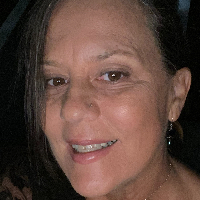
Hawaii · 6 yrs exp
Therapist focused on life transitions and relationships
Stress, Anxiety · Relationship · Family · Trauma and abuse · +16 more
Read profile
Hawaii · 40 yrs exp
Experienced LCSW focused on practical healing
Stress, Anxiety · Relationship · Family · Grief · +13 more
Read profile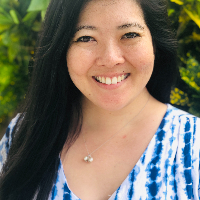
Hawaii · 5 yrs exp
Calm, person-centered social work in Hawaii
Stress, Anxiety · Grief · Self esteem · Career · +7 more
Read profile
Hawaii · 18 yrs exp
Compassionate counselor for life transitions
Stress, Anxiety · LGBT · Relationship · Trauma and abuse · +16 more
Read profile
Hawaii · 10 yrs exp
Calm guidance for life transitions
Stress, Anxiety · Grief · Anger · Self esteem · +12 more
Read profile
Hawaii · 8 yrs exp
Experienced LCSW for complex life changes
Addictions · LGBT · Relationship · Trauma and abuse · +12 more
Read profile
Hawaii · 16 yrs exp
Insightful, person-centered therapy for real-life challenges
Stress, Anxiety · LGBT · Relationship · Trauma and abuse · +11 more
Read profile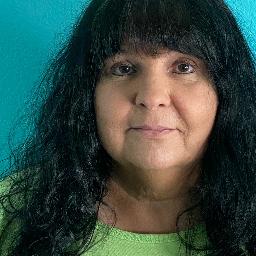
Hawaii · 16 yrs exp
Compassionate LCSW helping adults navigate change
Stress, Anxiety · Relationship · Grief · Self esteem · +11 more
Read profile
Hawaii · 3 yrs exp
Compassionate LCSW focused on practical support
Addictions · Grief · Stress, Anxiety · Depression · +1 more
Read profile
Hawaii · 30 yrs exp
Practical therapy for life transitions
Stress, Anxiety · Relationship · Self esteem · Coping with life changes · +11 more
Read profile
Hawaii · 20 yrs exp
Compassionate counselor for life transitions
Trauma and abuse · Grief · Self esteem · Career · +1 more
Read profile
Hawaii · 40 yrs exp
Experienced marriage and family therapist focused on practical solutions
Stress, Anxiety · Relationship · Anger · Self esteem · +1 more
Read profileWhen you begin looking for help as you age or support an older relative, you may be thinking about a range of life transitions and emotional needs. Retirement can bring relief and unexpected loss at the same time - you may be adjusting to a new daily rhythm, re-evaluating purpose, or facing financial changes that affect how you plan your life. Health changes that affect mobility, energy, or independence often shift how you relate to friends and family, and you may be looking for ways to cope with grief about what has changed. Losing a partner or close friends can deepen loneliness and raise questions about how to rebuild social connections and meaning.
Caregiving roles are another common topic. If you are balancing care for a spouse, parent, or other person with your own needs, you may need support managing stress, setting boundaries, and communicating with family members about responsibilities. Family relationships themselves are often part of the work - navigating shifting roles between adult children and parents, addressing long‑standing patterns, or managing practical conversations about future planning. In any of these situations you may want to talk with a clinician who lists experience with aging and later-life concerns, whether you are seeking emotional support, problem solving, or a fresh perspective on relationships and purpose.
The Hawaii listed location on this site groups profiles that the directory associates with that place. That grouping is not evidence that a clinician has an office, lives nearby, or holds permission to practice in a particular jurisdiction. You should read each profile carefully and confirm directly with the clinician whether they can work with you where you live. Different countries use different regulatory language. In the United States clinicians often hold a license issued by a state board. In the United Kingdom and Australia professionals may be registered with or belong to professional bodies; those terms are not the same as a US license.
Degrees such as PhD, PsyD, MD, MA, or MSW indicate academic training but do not by themselves establish current permission to practice in a particular state or country. A profile that lists a degree and a professional registration or license should be read with that distinction in mind. If it matters to you, ask the clinician how their degree relates to their current registration, where they are authorized to practice, and how they maintain professional standards. Remember that a listed topic or focus area on a profile does not prove a clinician treats every population, such as couples, families, or younger adults, so clarify scope of practice directly.
When you compare profiles you can use specific questions to learn whether a clinician’s experience and approach match what you need. Ask about experience with the issues most important to you, for example experience supporting retirement transitions, helping people cope with loss and loneliness, working with family caregivers, or addressing changes in family roles. If cultural background or local knowledge matters, ask how the clinician understands Hawaiian cultural values, multigenerational dynamics, or island life and whether they have experience working with people from similar cultural contexts.
Therapeutic approach is another point of comparison. Profiles may list approaches such as cognitive behavioral strategies, psychodynamic perspectives, mindfulness, or trauma-informed care. Rather than assuming any approach will be used, ask how the clinician tailors their work to people in later life and which approaches they most often draw on when addressing your priorities. If you see a specific name like EMDR listed, ask what that means in practice for older clients rather than assuming training or certification. Also discuss communication style - whether the clinician tends to be more direct, reflective, practical, or exploratory - and how that style fits with how you prefer to work.
If you are considering working online with a clinician who appears under the Hawaii listed location, there are a few practical topics to clarify in advance. Confirm whether the clinician is permitted to provide services to people in your state or country and ask how they handle situations that require local support. Talk about how they manage emergencies or urgent needs given geographic differences, and ask what you should do if you need immediate in-person help in your area. It is reasonable to request brief information about their informed consent process so you understand limits of the relationship, record-keeping, and how information is shared.
Also discuss practical details that affect the experience. Ask what technology they use and what to do if a connection drops. Agree on where you will take sessions so you have a quiet, private space for conversation and consider whether you need a backup plan for interruptions. If language access matters, ask whether the clinician speaks your preferred language or uses interpretation. Finally, clarify communication preferences for between-session contact and how boundary issues are handled so you know what to expect.
Comparing profiles effectively comes down to targeted questions and careful reading of bios. Start by identifying the focus areas most relevant to you - for example grief and loss, life transitions, caregiving stress, or relationship work - and look for clinicians who list those among their focuses. If you are an adult child supporting a parent, prioritize clinicians who explicitly mention caregiver issues or family dynamics. Languages listed on a profile can be crucial; if you prefer to speak in a language other than English, seek clinicians who list that language and ask about their experience working in that language with older adults.
When you look at credentials, note the degree type and any registration or licensure language. If a profile lists a US state license, you can ask which state or states that license covers. If a clinician is based in the UK or Australia and lists registration or membership in a professional body, ask what that status means for their practice and where they can work. Style and fit are often decisive - read the clinician’s description for clues about whether they emphasize practical coping strategies, deeper life exploration, problem solving with families, or support for caregiving roles. Use short, direct questions when you contact them: which focus areas have you worked with most recently, how do you approach conversations about loss, and what languages do you use in sessions. That kind of clarity will help you compare profiles on SeniorsTherapists.com and choose who to contact for a conversation about next steps.
Chronic Illness
2666 therapists
Depression
5400 therapists
Grief
4881 therapists
Guilt and Shame
4692 therapists
Isolation / Loneliness
4738 therapists
Mood Disorders
3731 therapists
Self Esteem
5229 therapists
Sleeping Disorders
2080 therapists
Stress & Anxiety
5759 therapists
Trauma and Abuse
4612 therapists
Aging and Geriatric Issues
6041 therapists
Caregiver Issues and Stress
4532 therapists
Compassion Fatigue
3394 therapists
Coping with Life Changes
5135 therapists
Divorce
4056 therapists
Family
4349 therapists
Family of Origin Issues
3144 therapists
Forgiveness
4451 therapists
Hospice and End-of-Life Counseling
2913 therapists
Life Purpose
4904 therapists
Money and Financial Issues
2512 therapists
Relationship
4966 therapists