
Kelley Sullivan
LCSWColorado · 19 yrs exp
Experienced LCSW focused on practical support
Stress, Anxiety · Relationship · Trauma and abuse · Grief · +12 more
Read profileTherapist listings are provided by BetterHelp. We will earn a commission at no additional cost to you if you use our links to purchase.
Find therapists who list Hearing Impaired alongside aging and later-life concerns and compare their approaches, languages, credentials and listed location. Browse profiles to learn how each practitioner describes their experience and style before you reach out.
Colorado · 19 yrs exp
Experienced LCSW focused on practical support
Stress, Anxiety · Relationship · Trauma and abuse · Grief · +12 more
Read profile
Texas · 10 yrs exp
Calm guidance for practical progress
Stress, Anxiety · Relationship · Family · Depression · +14 more
Read profile
Arkansas · 44 yrs exp
Compassionate generalist helping people find workable change
Stress, Anxiety · Trauma and abuse · Grief · Self esteem · +16 more
Read profile
Massachusetts · 20 yrs exp
Compassionate guidance through life's transitions
Stress, Anxiety · Self esteem · Career · Depression · +11 more
Read profile
Wisconsin · 30 yrs exp
Warm experienced counselor focused on life and loss
Stress, Anxiety · Relationship · Family · Trauma and abuse · +9 more
Read profile
Missouri · 45 yrs exp
Relationship-focused therapist with long experience
Stress, Anxiety · Relationship · Family · Parenting · +15 more
Read profile
North Carolina · 10 yrs exp
Therapist focusing on practical support
Stress, Anxiety · Relationship · Trauma and abuse · Self esteem · +11 more
Read profile
Texas · 6 yrs exp
Compassionate counselor for life transitions
Stress, Anxiety · Relationship · Anger · Depression · +10 more
Read profile
Florida · 8 yrs exp
Compassionate counselor for life transitions
Stress, Anxiety · Addictions · Trauma and abuse · Parenting · +14 more
Read profile
Pennsylvania · 28 yrs exp
Experienced LPC focused on practical support
Addictions · Relationship · Family · Trauma and abuse · +3 more
Read profile
Kentucky · 15 yrs exp
Compassionate therapist for life transitions
Stress, Anxiety · Relationship · Family · Career · +16 more
Read profile
United Kingdom · 15 yrs exp
Compassionate counsellor for life transitions and grief
Stress, Anxiety · Family · Grief · Depression · +12 more
Read profile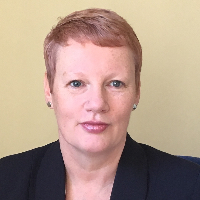
United Kingdom · 20 yrs exp
Experienced counsellor for life changes
Relationship · Family · Trauma and abuse · Grief · +10 more
Read profile
Florida · 24 yrs exp
Insightful counselor for life transitions
Stress, Anxiety · Grief · Depression · Coping with life changes · +13 more
Read profile
Wisconsin · 40 yrs exp
Experienced therapist focused on relationships and life changes
Stress, Anxiety · Relationship · Parenting · Depression · +2 more
Read profile
United Kingdom · 7 yrs exp
Compassionate, practical therapy for life changes
Stress, Anxiety · Grief · Career · Compassion fatigue · +16 more
Read profile
United Kingdom · 3 yrs exp
Person-centred counsellor with nursing background
Stress, Anxiety · Relationship · Anger · Self esteem · +11 more
Read profile
Oklahoma · 22 yrs exp
Compassionate counselor offering practical coping strategies
Stress, Anxiety · Self esteem · Depression · Coping with life changes · +9 more
Read profile
United Kingdom · 7 yrs exp
Practical, person-centred therapy for life changes
Stress, Anxiety · LGBT · Family · Intimacy-related issues · +15 more
Read profile
United Kingdom · 5 yrs exp
Counsellor focusing on anxiety and life changes
Stress, Anxiety · Addictions · Grief · Self esteem · +16 more
Read profile
United Kingdom · 8 yrs exp
Gentle, practical support for life changes
Stress, Anxiety · Relationship · Parenting · Career · +16 more
Read profile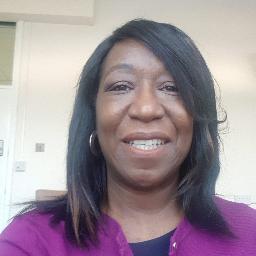
United Kingdom · 20 yrs exp
Compassionate, practical counselling for life changes
Stress, Anxiety · Trauma and abuse · Grief · Anger · +13 more
Read profile
United Kingdom · 40 yrs exp
Experienced relationship counsellor with a long practice history
Relationship · Family · Grief · Parenting · +14 more
Read profile
United Kingdom · 22 yrs exp
Experienced counsellor for complex life changes
Stress, Anxiety · Relationship · Family · Grief · +16 more
Read profileWhen hearing becomes more challenging, the effects often go beyond sound. You may be facing practical shifts such as retirement or changes in daily routines, and those shifts can stir questions about identity, purpose and how relationships will adapt. Hearing differences can complicate social life and make previously easy interactions feel exhausting, which can increase feelings of isolation or loneliness. At the same time, you or a loved one might be juggling caregiving roles, managing loss and grief, or navigating family conversations about independence and safety.
Therapy conversations in later life frequently center on adapting to new limitations, negotiating changing family dynamics and finding meaning after career transitions. You might want support with communication strategies, with grief related to hearing loss or other life changes, or with decisions about practical steps forward. Adult children and other family members often seek guidance on how to support a parent while respecting autonomy and dignity. A therapist can be a place to explore those relational tensions, emotional responses and practical problem solving without making medical judgments or offering diagnosis.
The directory groups profiles that list Hearing Impaired as a focus alongside aging and later-life concerns so you can find practitioners who mention both interests. This listing does not imply a causal link between hearing differences and other life events. Many therapists include multiple focus areas because they work with older adults on retirement, grief, caregiving, family relationships and the search for meaning in later life, and some of those same clinicians also note Hearing Impaired among their areas of interest.
When you review profiles, bear in mind that a listed topic is an indication of interest or experience as stated by the practitioner, not a clinical endorsement or a description of services offered. Use the profiles to identify practitioners whose language and stated focuses align with your needs. You can then ask more specific questions about how they adapt communication, whether they have experience with assistive technologies or interpreters, and how they approach the emotional and relational dimensions of later-life transitions.
When you contact someone, clear questions help you understand their approach and how it might fit your needs. Ask how they adapt communication for clients who have hearing differences, whether they have worked with family members or caregivers, and how they support conversations about retirement, loss and changing roles. If you are curious about therapeutic styles, you can ask whether they use particular approaches and, if so, how those are applied in the context of later-life concerns. Phrase your question so it asks about use in practice - for example, you might ask how a clinician uses cognitive-behavioral ideas or how therapists who list EMDR among their approaches incorporate those tools when trauma or loss is present in later life.
It is important to note the difference between academic degrees and permission to practice in a given jurisdiction. A PhD, PsyD, MD, MA or MSW describes an academic or professional degree. In the United States, independent practice is tied to licensed titles such as LCSW, LPC or LMFT and similar abbreviations. In the United Kingdom, practitioners may be registered or chartered and may belong to professional bodies. In Australia, many clinicians are registered with national boards or hold membership in professional associations. A degree does not automatically indicate current permission to practise, and licensing or registration terms vary by country. You can ask about the clinician's current registration or licence and what that means for the services they provide in the listed location.
If you are considering remote work, it helps to discuss practical accommodations for hearing differences at the outset. Ask whether the clinician uses captioning services, whether they are comfortable working with an interpreter or a family member who supports communication, and how they prefer to manage visual cues so you feel heard. Talk about the technology you will use and what happens if sound or connection becomes a barrier. If you wear hearing aids or use other assistive devices, mention that so the clinician can adjust their setup - for example, they may use visual materials, written summaries or the chat function to supplement spoken words.
For in-person sessions, inquire about the listed location and the physical environment so you know whether lighting, seating and acoustics will support your needs. If you plan for family involvement, clarify how the clinician structures family conversations and how they balance different perspectives. You might also ask how they document sessions and how you can receive written summaries or key points if that helps with recall after a meeting. All of these are practical steps to make therapy accessible and effective for your situation without assuming any particular clinical outcome.
When comparing profiles, look for concrete signals about the match between your priorities and a practitioner's stated experience. Read how a clinician describes their focus areas and whether they mention specific later-life topics such as retirement transition, caregiving or grief. Note the languages listed on the profile if you prefer to work in a language other than English, and check the listed location to understand whether the practitioner describes local or international practice. Profiles often mention degrees and professional registrations; remember that a degree like an MA or PhD is different from a licence or registration in a jurisdiction. If licensing matters to you, note the terms used on the profile and ask questions about what they mean within the clinician's country.
Also pay attention to tone and therapeutic style in profile summaries. Some practitioners describe a direct, problem-solving approach while others emphasize supportive exploration of meaning and relationships. Think about whether you want a clinician who will focus on communication strategies and practical adjustments, or one who will emphasize emotional processing around loss and identity. Concrete comparison questions you can use when reviewing profiles include asking how often they work with adults who have hearing differences, what sorts of later-life issues they address most frequently, and how they measure progress in therapy. Those questions help you move from a general listing to an informed conversation about fit.
By combining attention to focus areas, language, credentials and the way a clinician explains their work, you can narrow profiles to those you are most interested in. Use the information on each profile as a starting point for questions that matter to you about communication, family involvement and later-life transitions. Browsing thoughtfully and preparing targeted questions will help you find practitioners whose profile language matches the support you are seeking for hearing-related and aging concerns.
Alabama
85 therapists
Alaska
6 therapists
Arizona
76 therapists
Arkansas
43 therapists
Australia
100 therapists
California
410 therapists
Colorado
124 therapists
Connecticut
40 therapists
Delaware
12 therapists
District of Columbia
13 therapists
Florida
610 therapists
Georgia
177 therapists
Hawaii
17 therapists
Idaho
34 therapists
Illinois
204 therapists
Indiana
72 therapists
Iowa
34 therapists
Kansas
36 therapists
Kentucky
68 therapists
Louisiana
86 therapists
Maine
19 therapists
Maryland
70 therapists
Massachusetts
75 therapists
Michigan
220 therapists
Minnesota
57 therapists
Mississippi
44 therapists
Missouri
142 therapists
Montana
36 therapists
Nebraska
28 therapists
Nevada
32 therapists
New Hampshire
15 therapists
New Jersey
114 therapists
New Mexico
34 therapists
New York
251 therapists
North Carolina
208 therapists
North Dakota
6 therapists
Ohio
135 therapists
Oklahoma
86 therapists
Oregon
46 therapists
Pennsylvania
167 therapists
Rhode Island
8 therapists
South Carolina
95 therapists
South Dakota
9 therapists
Tennessee
84 therapists
Texas
487 therapists
United Kingdom
996 therapists
Utah
30 therapists
Vermont
11 therapists
Virginia
94 therapists
Washington
63 therapists
West Virginia
17 therapists
Wisconsin
101 therapists
Wyoming
16 therapists