
Mary Keane
LICSWDistrict of Columbia · 10 yrs exp
Straightforward support for life's difficult transitions
Stress, Anxiety · Relationship · Grief · Self esteem · +1 more
Read profileTherapist listings are provided by BetterHelp. We will earn a commission at no additional cost to you if you use our links to purchase.
On this page you can compare profiles of therapists who list aging and later-life concerns in the District of Columbia. Review focus areas, academic degrees, professional registrations and languages to find potential matches.
Browse the profiles below to learn more about each practitioner and then reach out to confirm whether they can work with you where you live.
District of Columbia · 10 yrs exp
Straightforward support for life's difficult transitions
Stress, Anxiety · Relationship · Grief · Self esteem · +1 more
Read profile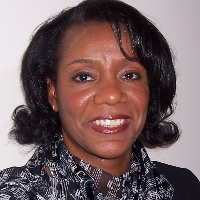
District of Columbia · 10 yrs exp
Compassionate counselor blending faith and practical tools
Stress, Anxiety · Relationship · Grief · Intimacy-related issues · +9 more
Read profile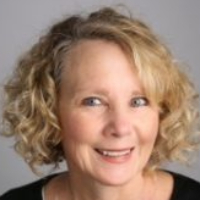
District of Columbia · 23 yrs exp
Compassionate support for life transitions
Stress, Anxiety · Grief · Self esteem · Depression · +14 more
Read profile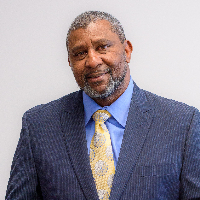
District of Columbia · 25 yrs exp
Experienced therapist for life's transitions
Stress, Anxiety · Addictions · Family · Trauma and abuse · +13 more
Read profile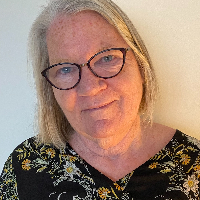
District of Columbia · 30 yrs exp
Experienced LICSW focused on life transitions
Family · Parenting · Career · Coping with life changes · +13 more
Read profile
District of Columbia · 25 yrs exp
Experienced LICSW focused on practical support
Stress, Anxiety · Relationship · Trauma and abuse · Grief · +9 more
Read profile
District of Columbia · 4 yrs exp
Compassionate support for grief and life transitions
Grief · Stress, Anxiety · Relationship · Family · +8 more
Read profile
District of Columbia · 24 yrs exp
Compassionate, practical therapy for life transitions
Stress, Anxiety · Relationship · Family · Trauma and abuse · +15 more
Read profile
District of Columbia · 35 yrs exp
Compassionate LICSW focused on practical solutions
Stress, Anxiety · Grief · Self esteem · Depression · +3 more
Read profile
District of Columbia · 4 yrs exp
Compassionate, practical support for life changes
Grief · Parenting · Self esteem · Coping with life changes · +1 more
Read profile
District of Columbia · 30 yrs exp
Experienced LPC helping people through major life challenges
Stress, Anxiety · Addictions · Trauma and abuse · Parenting · +15 more
Read profile
District of Columbia · 4 yrs exp
Compassionate social worker for life transitions
Stress, Anxiety · Family · Grief · Self esteem · +11 more
Read profile
District of Columbia · 3 yrs exp
Practical therapy and coaching for life transitions
Stress, Anxiety · Relationship · Grief · Career · +1 more
Read profileAs you look for someone to talk with about aging and later-life issues, you may be thinking about retirement transitions, shifts in health or energy, loss of friends or partners, changes in daily roles, or a search for renewed purpose. You might be an older adult navigating these shifts yourself, or an adult child, friend or caregiver supporting someone through practical decisions and emotional adjustments. People also reach out when social contact feels reduced, when family relationships become strained by caregiving or changing responsibilities, or when new limitations force a re-evaluation of plans and identity. All of these are reasonable topics to bring to a therapist who lists later-life concerns among their focus areas.
Therapy in later life is often about practical problem solving as well as meaning-making. You may want support for setting new routines after retirement, managing grief after a loss, improving communication with adult children or a spouse, or learning ways to reduce loneliness and stay connected. Whatever you want to address, it helps to be specific when you review profiles: note the focus areas mentioned, the words used to describe the therapist's style, and any references to work with caregivers, loss, or life-stage transitions. That will help you narrow down who to contact for an initial conversation.
The directory groups profiles under the listed location District of Columbia, but a listed location does not prove an office address, licensure status, or that a practitioner can legally work with you in your area. Check each therapist's individual profile and confirm permission to work together where you live. Profiles may show academic degrees such as PhD, PsyD, MD, MA or MSW. An academic degree is not the same as a professional license or registration. In the United States, many clinicians hold a state license or similar authorization to practice; in the United Kingdom and Australia you may see references to registration or membership in professional bodies. Those terms are different from academic qualifications, and one does not automatically imply the other.
When you read a profile, look for clear statements about credentials and where the clinician is authorized to practice. Some profiles will say they work across multiple jurisdictions or that they are able to offer remote work to people in certain states, countries or regions. Because rules about cross-jurisdiction practice vary, it is important to ask directly whether the clinician is permitted to work with you in your location before you begin any sessions. Profiles are a starting point for comparison, not a final confirmation of legal permission or scope of practice.
Profiles often list approaches therapists use and the issues they focus on, but that listing is not a guarantee of specific training or outcomes. When you make contact, you can ask direct, concrete questions that will give you a clearer picture of how the therapist works and whether their approach fits your needs. Consider asking whether they have worked with people navigating retirement or other life transitions, and ask for examples of how they have supported adults wrestling with loss or loneliness. If caregiving is part of the concern, ask how they balance support for the person receiving care and the person providing it.
It is also reasonable to ask about style and structure. You might ask how they typically help someone exploring questions of meaning or identity in later life, or what a typical session focuses on for someone dealing with grief. If the profile mentions specific approaches, phrase your question to reflect that listings are self-reported, for example: "I see you list narrative approaches among your methods - how do you use that style when working with later-life concerns?" That phrasing keeps the focus on practice rather than assuming credentials. You can also ask about experience with family dynamics, multi-generational caregiving, or communication challenges, depending on what you need to address.
If you plan to meet remotely, it is helpful to cover several practical and safety-related topics ahead of time. Ask whether the clinician has permission to work with people in your state or country, since rules differ for remote care. Clarify how they handle privacy practices and data - for example, what steps are taken to protect session notes and what methods of communication they prefer. Because words like "personal" and "supported" are sometimes used loosely, ask for specifics: what platform will be used, how will session records be stored, and how can you reach them between sessions if there is an urgent issue.
You should also talk about logistics that matter in later life. If you have hearing or vision needs, ask how the clinician accommodates that. If a caregiver will be present for part of a session, discuss consent and how the clinician manages shared visits. It is sensible to confirm emergency procedures: what you should do if you have a crisis during or between sessions, whether the therapist has a backup plan for technology failures, and who to contact locally in an urgent situation. Finally, ask about the typical structure of sessions, including length and what to expect in the first few meetings, so you can decide whether the style fits your preferences.
When you compare profiles, look at focus areas to see whether they specifically mention the issues you bring - retirement, loss, caregiving, loneliness, family adjustments, or questions of meaning. Note the languages spoken so you can choose someone who communicates comfortably with you or with a family member helping to coordinate care. Pay attention to how credentials are listed: an academic degree such as PhD, PsyD, MD, MA or MSW tells you about training, while references to a state license, registration or professional membership indicate routes to authorized practice. Remember that profiles may include clinicians from the US, UK and Australia, and each country has different systems for authorization and oversight.
Style matters as much as formal credentials. Some therapists describe themselves as practical and problem-focused, others emphasize reflective, narrative work, and some highlight experience supporting caregivers. Since listings do not prove the exact scope of practice, use profile language to generate the right questions to ask in a first conversation. You could ask, "Have you worked with people who feel isolated after retirement?" or "How do you support family members making care decisions together?" These concrete queries will give you useful information to weigh when deciding who to contact. Above all, check each therapist's individual profile and confirm permission to work together where you live before making plans to meet.
Chronic Illness
2666 therapists
Depression
5400 therapists
Grief
4881 therapists
Guilt and Shame
4692 therapists
Isolation / Loneliness
4738 therapists
Mood Disorders
3731 therapists
Self Esteem
5229 therapists
Sleeping Disorders
2080 therapists
Stress & Anxiety
5759 therapists
Trauma and Abuse
4612 therapists
Aging and Geriatric Issues
6041 therapists
Caregiver Issues and Stress
4532 therapists
Compassion Fatigue
3394 therapists
Coping with Life Changes
5135 therapists
Divorce
4056 therapists
Family
4349 therapists
Family of Origin Issues
3144 therapists
Forgiveness
4451 therapists
Hospice and End-of-Life Counseling
2913 therapists
Life Purpose
4904 therapists
Money and Financial Issues
2512 therapists
Relationship
4966 therapists