
Audrey Kelly
LMFTOklahoma · 21 yrs exp
Practical, collaborative care for life transitions
Stress, Anxiety · Relationship · Family · Self esteem · +8 more
Read profileTherapist listings are provided by BetterHelp. We will earn a commission at no additional cost to you if you use our links to purchase.
Use these Oklahoma profiles to compare practitioners who list aging and later-life concerns among their focus areas. Browse profiles to review credentials, approaches, languages and experience and identify professionals you may want to contact.
Oklahoma · 21 yrs exp
Practical, collaborative care for life transitions
Stress, Anxiety · Relationship · Family · Self esteem · +8 more
Read profile
Oklahoma · 30 yrs exp
Compassionate counselor who values dignity and progress
Stress, Anxiety · Grief · Intimacy-related issues · Depression · +8 more
Read profile
Oklahoma · 12 yrs exp
Practical CBT for life changes
Anger · Coping with life changes · Relationship · Family · +1 more
Read profile
Oklahoma · 13 yrs exp
Compassionate counselor for life transitions
Stress, Anxiety · Relationship · Grief · Anger · +7 more
Read profile
Oklahoma · 9 yrs exp
Practical therapy for life transitions
Stress, Anxiety · Anger · Self esteem · Coping with life changes · +16 more
Read profile
Oklahoma · 25 yrs exp
Calm guidance for practical change
Stress, Anxiety · Family · Trauma and abuse · Parenting · +15 more
Read profile
Oklahoma · 16 yrs exp
Compassionate clinician for life transitions
Stress, Anxiety · Addictions · Relationship · Self esteem · +16 more
Read profile
Oklahoma · 23 yrs exp
Practical, strength-based counseling for life changes
Stress, Anxiety · Relationship · Trauma and abuse · Self esteem · +15 more
Read profile
Oklahoma · 22 yrs exp
Compassionate counselor offering practical coping strategies
Stress, Anxiety · Self esteem · Depression · Coping with life changes · +9 more
Read profile
Oklahoma · 19 yrs exp
Collaborative, practical counseling for life transitions
Stress, Anxiety · Grief · Parenting · Self esteem · +9 more
Read profile
Oklahoma · 6 yrs exp
Therapist focused on practical change
Stress, Anxiety · LGBT · Trauma and abuse · Depression · +11 more
Read profile
Oklahoma · 30 yrs exp
Compassionate, practical counseling for life challenges
Stress, Anxiety · Relationship · Family · Trauma and abuse · +10 more
Read profile
Oklahoma · 32 yrs exp
Experienced therapist for life transitions
Stress, Anxiety · Relationship · Intimacy-related issues · Anger · +8 more
Read profile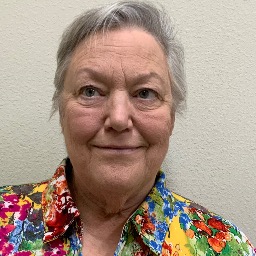
Oklahoma · 20 yrs exp
Compassionate, practical therapy for life challenges
Stress, Anxiety · Relationship · Family · Trauma and abuse · +5 more
Read profile
Oklahoma · 25 yrs exp
Experienced counselor focused on life transitions
Stress, Anxiety · Relationship · Trauma and abuse · Depression · +14 more
Read profile
Oklahoma · 11 yrs exp
Practical counseling for adults seeking balance
Stress, Anxiety · Grief · Self esteem · Depression · +8 more
Read profile
Oklahoma · 14 yrs exp
Supportive counselor for life transitions
Relationship · Trauma and abuse · Anger · Self esteem · +12 more
Read profile
Oklahoma · 30 yrs exp
Compassionate, practical support for life transitions
Family · Grief · Parenting · Self esteem · +1 more
Read profile
Oklahoma · 5 yrs exp
Practical counseling for everyday struggles
Stress, Anxiety · Family · Self esteem · Depression · +7 more
Read profile
Oklahoma · 14 yrs exp
Compassionate counselor for stress and life changes
Stress, Anxiety · Addictions · Relationship · Trauma and abuse · +1 more
Read profile
Oklahoma · 25 yrs exp
Practical support for life transitions
Stress, Anxiety · Relationship · Parenting · Career · +1 more
Read profile
Oklahoma · 15 yrs exp
Practical support for stress and life change
Stress, Anxiety · Self esteem · Depression · Coping with life changes · +1 more
Read profile
Oklahoma · 6 yrs exp
Practical, strengths-based counseling for life changes
Addictions · Relationship · Trauma and abuse · Anger · +14 more
Read profile
Oklahoma · 4 yrs exp
Practical support for anxiety and life changes
Stress, Anxiety · Addictions · Relationship · Self esteem · +1 more
Read profileAs you move into retirement years or support an older relative, you may face shifts that touch many parts of day to day life. Retirement can bring relief from work-related stress and also questions about purpose and routine. Changes in health, whether gradual or sudden, can alter independence and daily planning. Loss and bereavement may recur as friends and family age, and loneliness can feel sharper when social circles shrink. Many people also take on caregiving roles for partners or parents and find that relationships with adult children change as responsibilities shift.
Therapy can be a space to sort through these experiences without implying a medical diagnosis. You can use conversations to clarify priorities, practice coping strategies, navigate family conversations about care and finances, or explore meaning and identity after a major life change. If you are an adult child supporting a parent, therapy can help you manage role strain, boundary questions and communication with other family members. When you look at profiles, notice whether practitioners explicitly list topics such as retirement, bereavement, caregiving or transitions among their focus areas so you can find someone who talks about the issues you are facing.
The directory groups profiles under the listed location Oklahoma, but a listed location is not by itself evidence of an office, physical proximity, or current permission to practice in that exact place. You should check each profile and confirm with the practitioner that they are able to work with you in your state or country. The directory includes professionals from the United States, the United Kingdom and Australia, and the way credentials are described can differ by country.
A degree such as PhD, PsyD, MD, MA or MSW denotes an academic credential and does not by itself show legal permission to provide clinical services. In the United States many clinicians will also list a state license, which is the regulatory permission to practice in that jurisdiction. In the United Kingdom and Australia practitioners may show registration, membership, or affiliation with professional bodies rather than a US-style license. When you review a profile, look for clear descriptions that separate academic degrees from licensure or registration and ask a practitioner directly about their current permission to work with clients where you live before you schedule a first session.
When comparing profiles, prepare specific questions that help you learn how a clinician works and whether that approach fits your needs. Ask how they describe their typical work with people focused on aging or later-life concerns, and request examples of topics they frequently address with older adults or family caregivers. Inquire about the kinds of approaches they list on their profile because a profile entry that names an approach does not show how much they use it or in what context. For example, you might ask about practitioners who list EMDR among their approaches how they adapt that approach for someone experiencing trauma related to loss in later life, or ask those who mention cognitive-behavioral methods how they address changing daily routines after retirement.
Also ask about experience with issues you care about, such as grief that follows a partner's death, adjustments to retirement, relationship shifts with adult children, or role change when you become a caregiver. It is reasonable to ask how many years they have worked with older adults, what typical goals they set with people in later life, and how they include family members when that is needed. These concrete questions help you move beyond general labels and get a sense of how a clinician will approach your particular situation.
Before you begin working together, clarify practical and professional details so you know what to expect. If you are speaking with a professional who offers remote sessions, ask whether they are permitted to provide care to people in your state or country and how they handle situations that require local support. Discuss communication preferences for scheduling and cancellations, and ask about session length and how they typically structure meetings for people dealing with complex life transitions. Since safety systems vary by location, it is helpful to know how they would respond if you needed more intensive local assistance and whether they can coordinate with other local services when appropriate.
Talk about what each of you expects from the process. Describe your immediate concerns and what you hope to address in a few months and in the longer term. Ask how they set goals and measure progress in ways that matter to you. If technology is part of the plan, test the platform before a first appointment so you feel comfortable with audio and video. These conversations reduce uncertainty and help you choose someone whose working style feels clear and manageable.
When you compare profiles on this site, pay attention to how practitioners describe their focus areas and the language they use in their biographies. Focus areas that mention caregiving, bereavement, retirement transition, social isolation or family relationship changes indicate that the clinician includes those topics in their practice, but the depth of experience can vary. Look at the examples they give of the people they work with and the kinds of goals they list. That will give you a sense of emphasis beyond a short label.
Language options can matter if you and a family member prefer to speak in a language other than English. If a profile notes conversational or fluent skills in another language, ask for clarification about which services they can offer in that language. Compare credentials by distinguishing academic degrees from practice permissions. A PhD or MSW tells you about training, while licensure in the United States or registration in the United Kingdom or Australia communicates regulatory permission to provide services in those places. Finally, read the therapist's description of their therapeutic style and the tone of their bio. Some clinicians describe an active, problem-solving approach, while others emphasize reflective, exploratory conversation. Choose wording and examples that resonate with how you want to work, and follow up with the concrete questions suggested above to confirm fit.
Remember to check each profile and confirm that the practitioner can work with you where you live. Use the information here to narrow your options and to prepare focused questions so your conversations are efficient and informative. With careful comparison, you can identify a professional whose experience, credentials and approach match your needs as you navigate the transitions and opportunities of later life.
Chronic Illness
2666 therapists
Depression
5400 therapists
Grief
4881 therapists
Guilt and Shame
4692 therapists
Isolation / Loneliness
4738 therapists
Mood Disorders
3731 therapists
Self Esteem
5229 therapists
Sleeping Disorders
2080 therapists
Stress & Anxiety
5759 therapists
Trauma and Abuse
4612 therapists
Aging and Geriatric Issues
6041 therapists
Caregiver Issues and Stress
4532 therapists
Compassion Fatigue
3394 therapists
Coping with Life Changes
5135 therapists
Divorce
4056 therapists
Family
4349 therapists
Family of Origin Issues
3144 therapists
Forgiveness
4451 therapists
Hospice and End-of-Life Counseling
2913 therapists
Life Purpose
4904 therapists
Money and Financial Issues
2512 therapists
Relationship
4966 therapists