
Kelley Sullivan
LCSWColorado · 19 yrs exp
Experienced LCSW focused on practical support
Stress, Anxiety · Relationship · Trauma and abuse · Grief · +12 more
Read profileTherapist listings are provided by BetterHelp. We will earn a commission at no additional cost to you if you use our links to purchase.
Browse profiles of therapists listed for Colorado who note aging and later-life concerns among their focus areas. You can compare focus areas, therapeutic approaches, degrees, professional permissions, languages and experience to find a match for your needs.
Review each therapist's listed location and profile details, and confirm with the clinician that they have permission to work together where you live before making contact.
Colorado · 19 yrs exp
Experienced LCSW focused on practical support
Stress, Anxiety · Relationship · Trauma and abuse · Grief · +12 more
Read profile
Colorado · 15 yrs exp
Support for life transitions and aging concerns
Stress, Anxiety · Grief · Depression · Coping with life changes · +10 more
Read profile
Colorado · 20 yrs exp
Experienced counselor focused on practical change
Stress, Anxiety · Anger · Self esteem · Depression · +10 more
Read profile
Colorado · 20 yrs exp
Experienced counselor for life transitions
Stress, Anxiety · Addictions · Relationship · Family · +15 more
Read profile
Colorado · 23 yrs exp
Experienced LCSW focused on meaningful change
Stress, Anxiety · Family · Trauma and abuse · Grief · +9 more
Read profile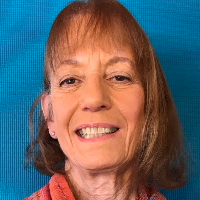
Colorado · 15 yrs exp
Compassionate, practical counseling for major life changes
Stress, Anxiety · Addictions · Trauma and abuse · Anger · +6 more
Read profile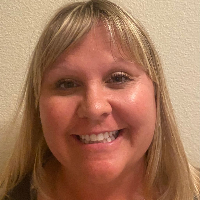
Colorado · 18 yrs exp
Focused, practical therapy for life changes
Stress, Anxiety · Addictions · Relationship · Self esteem · +15 more
Read profile
Colorado · 10 yrs exp
Experienced counselor for life transitions
Relationship · Family · Trauma and abuse · Grief · +3 more
Read profile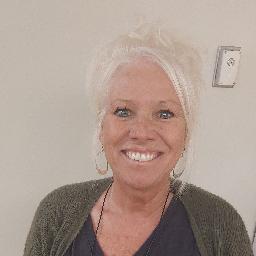
Colorado · 3 yrs exp
Experienced social worker turned therapist
Stress, Anxiety · Relationship · Family · Trauma and abuse · +14 more
Read profile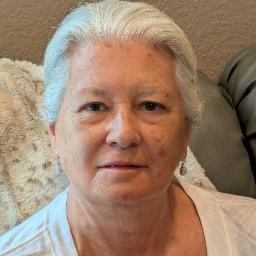
Colorado · 26 yrs exp
Warm, experienced counselor for life changes
Stress, Anxiety · Family · Trauma and abuse · Parenting · +9 more
Read profile
Colorado · 52 yrs exp
Client-centered support for life transitions
Stress, Anxiety · LGBT · Grief · Depression · +6 more
Read profile
Colorado · 8 yrs exp
Compassionate, practical therapy for life transitions
Stress, Anxiety · Relationship · Trauma and abuse · Grief · +16 more
Read profile
Colorado · 4 yrs exp
Focused support for stress and life change
Stress, Anxiety · Trauma and abuse · Career · Depression · +8 more
Read profile
Colorado · 10 yrs exp
Compassionate therapy for life transitions
Stress, Anxiety · Grief · Depression · Addictions · +9 more
Read profile
Colorado · 40 yrs exp
Experienced psychologist for life transitions
Stress, Anxiety · Relationship · Family · Trauma and abuse · +13 more
Read profile
Colorado · 12 yrs exp
Supportive Colorado LCSW focusing on practical change
Stress, Anxiety · Trauma and abuse · Grief · Depression · +9 more
Read profile
Colorado · 5 yrs exp
Compassionate, practical therapy for life changes
Stress, Anxiety · Grief · Intimacy-related issues · Coping with life changes · +10 more
Read profile
Colorado · 14 yrs exp
Practical counseling for life changes
Stress, Anxiety · Relationship · Grief · Depression · +12 more
Read profile
Colorado · 31 yrs exp
Experienced guide for life transitions
Grief · Self esteem · Career · Coping with life changes · +7 more
Read profile
Colorado · 7 yrs exp
Compassionate, practical help for life transitions
Stress, Anxiety · LGBT · Self esteem · Depression · +1 more
Read profile
Colorado · 5 yrs exp
Compassionate, practical support for life transitions
Stress, Anxiety · Family · Parenting · Self esteem · +1 more
Read profile
Colorado · 16 yrs exp
Compassionate guidance for life transitions
Stress, Anxiety · Family · Career · Bipolar · +1 more
Read profile
Colorado · 30 yrs exp
Practical, compassionate therapy for life transitions
Stress, Anxiety · Relationship · Trauma and abuse · Self esteem · +1 more
Read profile
Colorado · 13 yrs exp
Clear, skill-focused therapy for life transitions
Stress, Anxiety · Family · Trauma and abuse · Bipolar · +1 more
Read profileAs you or someone you support moves through retirement and changing routines, feelings about purpose and identity often come to the foreground. You may be adjusting to reduced work responsibilities, shifting social networks, or a desire to find new meaning. Health changes - whether temporary or ongoing - can alter daily life and prompt questions about independence, role changes within the family, and planning for the future. Grief and loss are also frequent themes in later life. Whether you are coping with the death of peers, losses of abilities, or the endings of long relationships, grief can appear in many forms and at different times.
Loneliness and isolation are common experiences that do not depend on age alone. You might reach out because you are newly widowed, because caregiving responsibilities have narrowed your social time, or because geographic moves have separated you from familiar supports. Caregiving roles themselves introduce emotional and practical strains - balancing empathy, boundary-setting, and self-care while supporting a partner, parent, or friend can feel overwhelming. Family relationships may grow more complex as roles shift across generations, bringing unresolved tensions, changing expectations, and new opportunities for communication. When you search for a therapist, think about which of these concerns feel most urgent and which are longer-term themes you want to explore.
Profiles are grouped under a listed location like Colorado to help you find clinicians who indicate an association with that place. That listed location does not by itself prove that a clinician maintains an office there, has current permission to practice in a particular jurisdiction, or can work with you where you live. It is important to read each profile carefully and to ask the clinician directly about their permission to work with clients in your area before you begin.
Academic degrees such as PhD, PsyD, MD, MA or MSW describe educational attainment and do not by themselves establish professional permission to practice. In the United States, many clinicians hold a state license and will list that information on their profile. In the United Kingdom and Australia, professionals may note registration or membership in relevant regulatory or professional bodies rather than a US-style license. Look for how a profile describes both degrees and any statements about professional permission, and ask the clinician to clarify what that means in your situation.
When you find a profile that looks promising, prepare a few concrete questions to understand how a clinician approaches later-life issues. You might ask how they typically work with people navigating retirement transitions or shifting identity after leaving a long career. If caregiving is central to your life, ask about experience supporting caregivers with role strain, boundary-setting and decision-making. For bereavement, ask how they help people process losses over time and rebuild meaning. If a profile lists specific approaches, ask how those approaches are used with older adults. For example, if a therapist lists EMDR among their approaches, ask how they adapt that approach for someone with physical limitations or complex grief.
Other useful questions include how the clinician adapts sessions for sensory changes, mobility needs or memory differences, and whether they involve family members or other supports when appropriate. Ask about the clinician's experience with cultural, racial, religious or sexual identity issues so you can assess fit. Finally, ask what a typical first few conversations focus on - whether the clinician prioritizes practical coping strategies, emotional processing, future planning, or a combination - so you know what to expect from the start.
If you are considering remote sessions, there are several practical topics to cover. Confirm the clinician's permission to work with clients in Colorado or in your specific location, because regulatory rules can affect whether they can legally provide care across state or national borders. Ask which online meeting platform they use and what privacy protections they offer for notes and records. You can also ask how they handle emergencies if you live elsewhere - clarify what you should do and who to contact if there is a crisis between sessions.
Talk about the physical setting you will use for sessions. Try to choose a private space for conversations where you can speak openly without interruption. If you need accommodations for hearing, vision, or mobility, ask how the clinician adapts materials and communication. Discuss whether family members, caregivers or other supports will join some sessions and how scheduling and consent are handled. Finally, get clarity about session length, expected format, and how the clinician evaluates progress so that the remote work aligns with your practical needs and comfort level.
When you compare profiles, start by matching focus areas to the issues you want to address. Some clinicians list aging, bereavement, caregiving or retirement as explicit focuses. Consider whether you need someone who emphasizes emotional processing, practical problem-solving, life transitions work, or family mediation. Language can be a decisive factor - if you prefer therapy in a language other than English, look for profiles that list that language and ask how much of their practice they conduct in it.
Look at how profiles present credentials and professional permissions, keeping the distinction between degrees and permission to practice in mind. A clinician who notes a PhD or MSW has specific training, but you should still ask about their authorization to work with clients in your state or country. Style is another key element. Some therapists describe a collaborative, conversational style while others describe a more structured, skills-based approach. Think about whether you respond better to exploratory, open-ended discussion, practical strategies and homework, or a mix. Finally, consider whether the clinician mentions experience with issues like caregiving boundaries, end-of-life planning conversations, or intergenerational family dynamics. Use comparison questions such as - How do you work with people who are navigating retirement? How do you involve family members when appropriate? What languages do you work in? What professional permission do you hold to practice in my area? - to make side-by-side comparisons that reflect the practical matters that will shape your experience.
Above all, remember that profiles are a starting point. Use them to identify clinicians whose focus areas, languages, degrees and stated approaches align with your needs, then reach out to clarify permissions and fit before moving forward. Confirm that a clinician can work with you where you live, describe the issues you want to address, and ask the specific questions that matter most to you. That approach will help you find a professional whose background and approach match the concerns and preferences you bring to therapy.
Chronic Illness
2666 therapists
Depression
5400 therapists
Grief
4881 therapists
Guilt and Shame
4692 therapists
Isolation / Loneliness
4738 therapists
Mood Disorders
3731 therapists
Self Esteem
5229 therapists
Sleeping Disorders
2080 therapists
Stress & Anxiety
5759 therapists
Trauma and Abuse
4612 therapists
Aging and Geriatric Issues
6041 therapists
Caregiver Issues and Stress
4532 therapists
Compassion Fatigue
3394 therapists
Coping with Life Changes
5135 therapists
Divorce
4056 therapists
Family
4349 therapists
Family of Origin Issues
3144 therapists
Forgiveness
4451 therapists
Hospice and End-of-Life Counseling
2913 therapists
Life Purpose
4904 therapists
Money and Financial Issues
2512 therapists
Relationship
4966 therapists