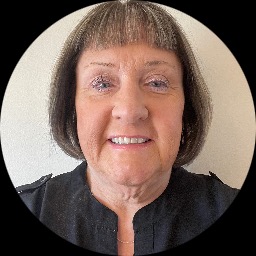
Stephanie Sligo-Baker
LICSWMinnesota · 37 yrs exp
Experienced LICSW focused on practical support
Stress, Anxiety · LGBT · Trauma and abuse · Depression · +14 more
Read profileTherapist listings are provided by BetterHelp. We will earn a commission at no additional cost to you if you use our links to purchase.
This page groups profiles under the listed location Minnesota. Each profile indicates whether the clinician lists aging and later-life concerns among their focus areas; compare credentials, approaches, languages and experience, then browse the profiles below.
Minnesota · 37 yrs exp
Experienced LICSW focused on practical support
Stress, Anxiety · LGBT · Trauma and abuse · Depression · +14 more
Read profile
Minnesota · 25 yrs exp
Tailored therapy for life transitions
Stress, Anxiety · Relationship · Grief · Self esteem · +9 more
Read profile
Minnesota · 13 yrs exp
Supportive counselor focused on practical skills
Stress, Anxiety · Addictions · Trauma and abuse · Self esteem · +9 more
Read profile
Minnesota · 5 yrs exp
Practical support for life transitions
Stress, Anxiety · Grief · Parenting · Depression · +10 more
Read profile
Minnesota · 10 yrs exp
Compassionate counselor for life transitions
Trauma and abuse · Grief · Bipolar · Coping with life changes · +7 more
Read profile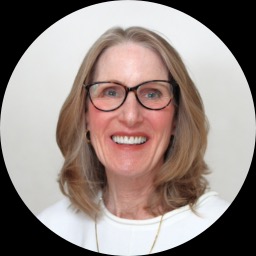
Minnesota · 20 yrs exp
Support for stress and life changes
Stress, Anxiety · Family · Parenting · Self esteem · +7 more
Read profile
Minnesota · 9 yrs exp
Practical therapy for life changes and loss
Stress, Anxiety · Family · Trauma and abuse · Grief · +11 more
Read profile
Minnesota · 21 yrs exp
Practical, compassionate therapy for life changes
Stress, Anxiety · Trauma and abuse · Grief · Depression · +12 more
Read profile
Minnesota · 12 yrs exp
Hopeful, practical therapy for life transitions
Stress, Anxiety · Addictions · Trauma and abuse · Anger · +10 more
Read profile
Minnesota · 15 yrs exp
Collaborative short-term and values-based therapy
Stress, Anxiety · LGBT · Depression · Addictions · +12 more
Read profile
Minnesota · 7 yrs exp
Experienced therapist focused on practical change
Stress, Anxiety · Relationship · Trauma and abuse · Depression · +13 more
Read profile
Minnesota · 28 yrs exp
Listening first, practical steps next
Stress, Anxiety · Addictions · Self esteem · Depression · +14 more
Read profile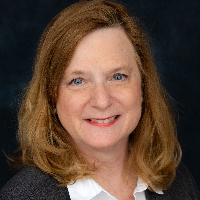
Minnesota · 25 yrs exp
Experienced counselor for life transitions
Stress, Anxiety · Relationship · Family · Grief · +10 more
Read profile
Minnesota · 17 yrs exp
Compassionate, practical support for life challenges
Stress, Anxiety · Addictions · Trauma and abuse · Grief · +15 more
Read profile
Minnesota · 28 yrs exp
Compassionate therapist for life transitions
Relationship · Family · Self esteem · Depression · +10 more
Read profile
Minnesota · 30 yrs exp
Experienced counselor for life transitions
Stress, Anxiety · Relationship · Family · Depression · +13 more
Read profile
Minnesota · 10 yrs exp
A practical, compassionate counselor for life changes
Stress, Anxiety · Addictions · Trauma and abuse · Self esteem · +14 more
Read profile
Minnesota · 11 yrs exp
Calm, practical support for life’s hard changes
Stress, Anxiety · Addictions · Trauma and abuse · Grief · +1 more
Read profile
Minnesota · 13 yrs exp
Compassionate therapist for life transitions
Stress, Anxiety · LGBT · Relationship · Family · +12 more
Read profile
Minnesota · 25 yrs exp
Compassionate counselor for life transitions
Stress, Anxiety · Addictions · Grief · Anger · +9 more
Read profile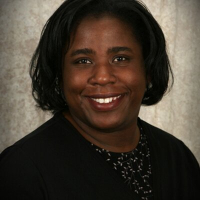
Minnesota · 15 yrs exp
Compassionate, practical therapy for life transitions
Stress, Anxiety · Grief · Anger · Self esteem · +9 more
Read profile
Minnesota · 6 yrs exp
Rebuilding purpose through practical therapy
Stress, Anxiety · Addictions · Trauma and abuse · Depression · +15 more
Read profile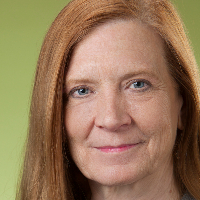
Minnesota · 25 yrs exp
Seasoned counselor focused on recovery and resilience
Stress, Anxiety · Addictions · Trauma and abuse · Grief · +12 more
Read profile
Minnesota · 7 yrs exp
Compassionate counselor focused on practical change
Relationship · Family · Trauma and abuse · Grief · +13 more
Read profileAs you or someone you care for moves through retirement-age stages, the questions you bring to therapy can be practical and emotional at the same time. You may be navigating retirement transitions and shifting daily rhythms, dealing with health changes that alter mobility or energy, adjusting to bereavement after losing a partner or close friend, or managing the loneliness that sometimes follows major life changes. Adult children often look for help with caregiving roles - balancing responsibility, guilt and family expectations - and people of all ages seek support in finding new sources of meaning and social connection. The language used in profiles will often highlight these themes as focus areas, but what that means in practice varies from one clinician to another. When you read a profile, look for descriptions of the kinds of later-life situations the clinician has worked with and the ways they describe supporting emotional adjustment, role changes and relationship shifts in later life.
Your needs might be straightforward, such as help reorganizing a daily routine after retirement, or more complex, like navigating family conversations about care or end-of-life preferences. It is useful to think ahead about a few priorities you want to address in therapy so you can communicate them clearly when you contact a profile. Some people want short-term support for a specific change, while others seek ongoing space to explore identity and purpose. Profiles often mention theoretical approaches and typical topics; use those details to form questions about how a clinician might tailor their work to your goals.
The listed location Minnesota groups profiles that have indicated Minnesota as a relevant geography, but the presence of a profile here is not proof of an office, local practice, or ongoing permission to work with clients in every jurisdiction. You should check each individual profile for details and confirm directly with the clinician that they are permitted to work with you where you live. Professionals in this directory come from the United States, the United Kingdom and Australia, and terminology around credentials differs across those systems. Academic degrees such as PhD, PsyD, MD, MA and MSW describe completed education but do not by themselves establish a current right to practice. In the United States you will commonly see references to state licenses, which indicate an authorization to provide mental health care within specific states. In the United Kingdom and Australia you may see references to professional registration or membership with national bodies; those are not the same as a US state license, and scope and rules vary.
When you read a profile, note whether the clinician lists a degree, a license, registration or a membership. If the profile does not make clear how they are authorized to work with people in Minnesota, ask them. A straightforward question about where they hold permission to practice and whether they can legally provide care to someone located in Minnesota will help you decide whether to proceed. This step is especially important if you plan to work online from Minnesota with someone whose profile is based elsewhere. Always confirm the clinician's current standing and the geographic limits of their practice before you begin.
Profiles often list approaches and topics but do not convey the full picture of how a clinician works. When you contact a profile, ask specific, concrete questions that help you gauge fit. You could ask how they typically work with retirement transition - what kinds of conversations they start with, how they balance practical planning with emotional processing, and how they help people build a new daily structure. If caregiving is your main stressor, ask about their experience supporting family carers, how they address caregiver burnout and how they involve family dynamics in sessions. For bereavement, you might ask how they support people through anniversaries and practical decision points while also attending to grief reactions.
Be careful with language about approaches. If a profile lists a particular therapy model, ask the clinician to describe what that looks like in a session and whether they often combine it with other strategies. For example, you can say, "I see you list EMDR among your approaches - can you explain how you use that when working with people who are grieving?" This phrasing clarifies that the profile lists an approach and invites a practical explanation rather than assuming certification or a guaranteed method. Also ask about the clinician's experience with people who share similar cultural, linguistic or age-related backgrounds as you, and whether they offer sessions in a language you prefer. These concrete questions give you a clearer sense of how a clinician's stated focuses translate into actual care.
If you are considering remote sessions from Minnesota, there are a few practical topics to raise with any clinician whose profile interests you. Start by confirming that they have permission to work with someone located in Minnesota, because cross-jurisdiction rules differ. Ask about the technology they use and whether they can help you test a connection before your first meeting. Discuss how they protect your privacy and data during video or phone sessions, and ask about any written consent practices they follow. You can also ask how they handle safety concerns or emergencies given that you may be in a different place than they are - for example, whether they request a local emergency contact or a plan for urgent situations.
It is reasonable to ask about session length and what a typical first meeting involves so you know how to prepare. If you have hearing, vision or mobility needs, mention them and ask whether the clinician can adapt session materials or communication style. When language is important, confirm the languages the clinician lists and whether they use an interpreter or offer sessions directly in your preferred language. Finally, ask about any paperwork or intake steps you should complete before the first session so you can begin with clarity and focus.
When you compare profiles listed for Minnesota, pay attention to several elements that help you differentiate clinicians. Focus areas tell you the topics a clinician often mentions, but styles of description vary. Some profiles emphasize experience with loss and bereavement, others highlight caregiver support or transitions into retirement, and some foreground relationship work or mood concerns. Think about which phrasing resonates with your needs and form questions that probe how much of their practice involves the issues you bring.
Languages and cultural familiarity are practical comparison points. If you prefer a clinician who speaks a particular language, look for that detail in the profile and ask about how language shapes their work. For credentials, separate degrees from practice permissions - note the academic degree listed and also ask where the clinician holds licensure, registration or membership and whether that permits them to work with clients located in Minnesota. Finally, consider therapeutic style as described in the profile and as reflected in your initial contact. Some clinicians describe themselves as more directive and task-oriented, others as reflective and exploratory. You can ask for an example of how they might begin work with someone facing the exact situation you want to address. That exchange often gives you a clearer sense of fit than titles or credentials alone.
As you move from reading profiles to reaching out, remember that a profile is a starting point. Confirm permission to work together where you live, ask specific questions about approaches and experience, and choose a clinician whose responses align with your goals and communication preferences. Thoughtful comparison and direct conversation will help you identify a good match for the questions and transitions that matter most to you in later life.
Chronic Illness
2666 therapists
Depression
5400 therapists
Grief
4881 therapists
Guilt and Shame
4692 therapists
Isolation / Loneliness
4738 therapists
Mood Disorders
3731 therapists
Self Esteem
5229 therapists
Sleeping Disorders
2080 therapists
Stress & Anxiety
5759 therapists
Trauma and Abuse
4612 therapists
Aging and Geriatric Issues
6041 therapists
Caregiver Issues and Stress
4532 therapists
Compassion Fatigue
3394 therapists
Coping with Life Changes
5135 therapists
Divorce
4056 therapists
Family
4349 therapists
Family of Origin Issues
3144 therapists
Forgiveness
4451 therapists
Hospice and End-of-Life Counseling
2913 therapists
Life Purpose
4904 therapists
Money and Financial Issues
2512 therapists
Relationship
4966 therapists