
Betina Bolin
LCSWMissouri · 16 yrs exp
Practical, empathetic social work for life changes
Stress, Anxiety · Trauma and abuse · Self esteem · Bipolar · +12 more
Read profileTherapist listings are provided by BetterHelp. We will earn a commission at no additional cost to you if you use our links to purchase.
Browse profiles of therapists who list aging and later-life concerns in Missouri and compare focus areas, approaches, languages, and credentials to find a potential match.
Please review each profile and confirm the therapist's permission to work with you where you live before making contact.
Missouri · 16 yrs exp
Practical, empathetic social work for life changes
Stress, Anxiety · Trauma and abuse · Self esteem · Bipolar · +12 more
Read profile
Missouri · 14 yrs exp
Compassionate counselor focused on practical change
Stress, Anxiety · Self esteem · Career · Depression · +13 more
Read profile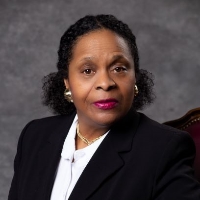
Missouri · 20 yrs exp
Experienced counselor for life transitions
Stress, Anxiety · Addictions · Trauma and abuse · Anger · +14 more
Read profile
Missouri · 35 yrs exp
Compassionate, experienced clinical social worker
Stress, Anxiety · Trauma and abuse · Anger · Bipolar · +13 more
Read profile
Missouri · 25 yrs exp
Practical, down-to-earth therapy for life changes
Stress, Anxiety · Addictions · Parenting · Self esteem · +12 more
Read profile
Missouri · 17 yrs exp
Compassionate counselor for life transitions
Stress, Anxiety · Addictions · Relationship · Anger · +9 more
Read profile
Missouri · 22 yrs exp
Practical counseling for life transitions and loss
Stress, Anxiety · Family · Trauma and abuse · Grief · +13 more
Read profile
Missouri · 35 yrs exp
Experienced LCSW focusing on practical, relational care
Stress, Anxiety · Relationship · Family · Trauma and abuse · +11 more
Read profile
Missouri · 25 yrs exp
Practical, bilingual therapy for life changes
Anger · Self esteem · Depression · Coping with life changes · +15 more
Read profile
Missouri · 8 yrs exp
Compassionate counselor for life transitions
Stress, Anxiety · Addictions · LGBT · Trauma and abuse · +15 more
Read profile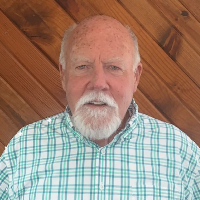
Missouri · 45 yrs exp
Relationship-focused therapist with long experience
Stress, Anxiety · Relationship · Family · Parenting · +15 more
Read profile
Missouri · 21 yrs exp
Experienced Missouri LCSW focused on practical progress
Stress, Anxiety · Relationship · Trauma and abuse · Grief · +10 more
Read profile
Missouri · 12 yrs exp
Practical support for life transitions
Stress, Anxiety · Relationship · Grief · Depression · +10 more
Read profile
Missouri · 3 yrs exp
Experienced counselor using practical therapy
Stress, Anxiety · Addictions · Relationship · Family · +12 more
Read profile
Missouri · 25 yrs exp
A steady, practical counselor for life changes
Stress, Anxiety · Addictions · Relationship · Family · +14 more
Read profile
Missouri · 35 yrs exp
Experienced counselor focused on practical support
Stress, Anxiety · Addictions · Trauma and abuse · Depression · +9 more
Read profile
Missouri · 20 yrs exp
Calm, practical guidance for life transitions
Relationship · Family · Parenting · Self esteem · +10 more
Read profile
Missouri · 47 yrs exp
Compassionate support for life transitions
Stress, Anxiety · Addictions · Trauma and abuse · Grief · +9 more
Read profile
Missouri · 22 yrs exp
Practical, steady support for life transitions
Stress, Anxiety · Relationship · Self esteem · Depression · +1 more
Read profile
Missouri · 27 yrs exp
Experienced counselor for life transitions
Stress, Anxiety · Family · Grief · Parenting · +11 more
Read profile
Missouri · 6 yrs exp
Compassionate, practical counseling for adults
Stress, Anxiety · Relationship · Parenting · Career · +11 more
Read profile
Missouri · 15 yrs exp
Experienced counselor focusing on practical support
Stress, Anxiety · Relationship · Trauma and abuse · Self esteem · +1 more
Read profile
Missouri · 11 yrs exp
Practical support for life changes and loss
Grief · Anger · Self esteem · Career · +1 more
Read profile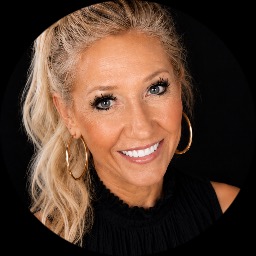
Missouri · 29 yrs exp
Compassionate support for major life transitions
Stress, Anxiety · Trauma and abuse · Grief · Depression · +1 more
Read profileAs you navigate retirement, shifts in health or daily routine, or changes in your relationships, you might be looking for a clinician who understands the emotional side of those transitions. People often seek help around decisions about retirement timing, changes to identity after leaving work, grief after losing friends or partners, and the loneliness that can come with a shrinking social circle. Adult children supporting aging parents may look for guidance about changing roles, conversations about care, or ways to manage caregiver stress without losing their own sense of balance.
Other themes that arise later in life include rethinking meaning and purpose, negotiating family tensions that surface with shared caregiving responsibilities, and adjusting to new living arrangements. You may also want support with practical emotional tasks - preparing for serious illness conversations, navigating loss of abilities, or finding ways to cultivate connection. When you search for a match, look for clinicians who explicitly list the concerns that matter most to you so you can ask concrete questions about their experience with those themes.
The fact that a profile is grouped under Missouri reflects the listed location on that profile and does not by itself establish office proximity, eligibility, or permission to practice in your area. You should confirm directly with each clinician whether they have current permission to work with clients where you live. Academic degrees such as PhD, PsyD, MD, MA, or MSW indicate graduate-level training but are not the same as a professional license or registration. A degree alone does not prove current permission to practice in a given jurisdiction.
Professional regulation differs by country. In the United States, clinicians commonly hold a state license with designations like social worker, counselor, psychologist, or marriage and family therapist; in the United Kingdom or Australia, clinicians may hold national registration or belong to professional bodies and membership organizations. Profiles may list both academic degrees and professional registrations or licenses. Read each profile carefully to see which credentials are noted and ask the clinician to confirm their current standing and any geographic limits on their work.
Before making contact, prepare specific questions that help you assess fit. Ask about the clinician's experience with the issues you face - for example, how much work they have done with retirement transitions, complicated grief, caregiver stress, or relationship changes in later life. If family dynamics are central to your concern, ask whether they work with family members or focus on individual sessions. If cultural background, faith, or life history matter to you, request information about their experience in those areas and whether they speak your preferred language.
Therapy approaches are varied and may be described on profiles. Rather than assuming any one clinician uses a particular method, ask how they typically work with older adults and what kinds of activities or conversations they prioritize in early sessions. You can also ask about their experience with modalities some clinicians list among their approaches - for example, cognitive-behavioral techniques, narrative approaches, or trauma-informed care - phrasing questions as inquiries about whether a clinician lists those tools among their approaches and how they apply them with later-life concerns.
If you are considering remote sessions, clarify several practical and jurisdictional matters in advance. Confirm that the clinician has permission to work with you where you live, since cross-state and cross-country rules differ and may affect whether a clinician can legally provide care. Talk about technology requirements, how sessions will be scheduled and paid for, and what to do if there is an interruption during a meeting. Agree where you will be located during sessions - for example, a quiet, private space in your home - and identify a local person or resource you can contact in an emergency, because the clinician may not be able to offer emergency services outside their permitted area.
Also discuss time zone differences, the languages used in sessions, and how the clinician documents and stores notes or communications. Ask about their approach to telephone or text check-ins if you expect to need brief follow-ups between sessions. These conversations will help you understand whether remote care is a workable option and what logistics you will need to arrange before beginning.
When you compare profiles, look beyond headlines and consider the details that matter to your situation. Focus areas indicate the issues a clinician lists, but they do not prove specialized certification or guarantee a particular outcome. If you want help with grief, caregiving stress, or meaning-making in retirement, search for profiles that name those topics and then read the descriptions to see how the clinician frames their work. Note the academic degrees cited separately from any licensing or registration information so you can ask clarifying questions.
Language can be essential to feeling understood. If you prefer to speak in a language other than English, prioritize profiles that list that language and ask whether the clinician conducts clinical conversations and written material in it. Consider style and fit as well - whether the clinician emphasizes practical coping strategies, reflective life review, relational work with family, or support around decision-making. Invite clinicians to describe a typical early session and how they measure whether the work is matching your goals. Concrete comparison questions include: Do you have current permission to practice where I live? What experience do you have with my primary concern? Which languages do you use in sessions? How do you involve family members, if at all?
Choosing a clinician is a personal process. Use the profiles here to narrow your options based on the specifics you care about, then reach out to ask the focused questions above so you can decide whether a particular clinician is the right fit for the next step in your later-life journey.
Chronic Illness
2666 therapists
Depression
5400 therapists
Grief
4881 therapists
Guilt and Shame
4692 therapists
Isolation / Loneliness
4738 therapists
Mood Disorders
3731 therapists
Self Esteem
5229 therapists
Sleeping Disorders
2080 therapists
Stress & Anxiety
5759 therapists
Trauma and Abuse
4612 therapists
Aging and Geriatric Issues
6041 therapists
Caregiver Issues and Stress
4532 therapists
Compassion Fatigue
3394 therapists
Coping with Life Changes
5135 therapists
Divorce
4056 therapists
Family
4349 therapists
Family of Origin Issues
3144 therapists
Forgiveness
4451 therapists
Hospice and End-of-Life Counseling
2913 therapists
Life Purpose
4904 therapists
Money and Financial Issues
2512 therapists
Relationship
4966 therapists