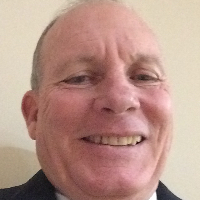
Donald McRae, LPC, LCMHC
Experienced counselor for life transitions
Opens BetterHelp in a new tab, where you can review online therapy options.
At a glance
- Listed location
- North Carolina
- Experience
- 25+ years
- Credentials
- LPC, LCMHC
- Languages
- English
- License (South Carolina)
- LPC · No. 4661
- License (North Carolina)
- LCMHC · No. 16473
- NPI
- 1700988326
Copied as listed by the therapist. You can check a license with the state board and an NPI with the national registry.
- 25 years experience
- Skills focused
- Mindfulness informed
About Donald
He uses straightforward, skills-based methods. Sessions often focus on practical ways to cope, from changing unhelpful thinking to building new daily routines. Mindfulness and acceptance strategies are used to reduce reactivity and create more room for chosen action. Motivational interviewing is brought in when people are ready to make changes around substance use or other habits.
Donald has worked in mental health clinics, on military bases, and with non-profit agencies. That range of settings shaped a direct, problem-focused style that still keeps empathy front and center. He has led groups as well as provided one-on-one therapy, and draws on that experience when tailoring work to individual needs.
Clients can expect a nonjudgmental approach that emphasizes courage and commitment to change. Donald aims to make the work practical and achievable. He supports people who want steady, goal-oriented help through difficult life transitions and long-term concerns.
Background and approach include elements of Dialectical Behavior Therapy, Cognitive Behavioral Therapy, Acceptance and Commitment Therapy, Mindfulness Therapy, and Motivational Interviewing. He combines these methods to match what each person needs rather than using a single fixed model.
Areas of expertise
Primary focus
Also works with
Additional focus areas
Therapeutic approaches
Experience
25+ years
Credentials
South Carolina, North Carolina
Languages
English
How ACT, CBT, and DBT Shape Online Sessions
Acceptance and Commitment Therapy (ACT) focuses on helping people notice thoughts and feelings without getting stuck in them, then choose actions that match their values. It can help with anxiety, depression, and life transitions. Cognitive Behavioral Therapy (CBT) teaches practical strategies to identify and change unhelpful thinking and behavior patterns, which is useful for mood, sleep, and coping with stress. Dialectical Behavior Therapy (DBT) emphasizes emotion regulation, distress tolerance, and interpersonal skills, and can be helpful for strong emotional reactions and relationship difficulties.Finding the right approach is part of the work. The therapist will collaborate with each person to decide which methods fit their goals and preferences. That may mean combining practices from different models and adjusting the pace or focus as needs change.
Session formats are not listed in the biography, so confirm current options before booking. Online work can make it easier to fit therapy into a busy life by reducing travel time and allowing appointments during breaks or from another convenient location. It can also make shorter check-ins and weekly skill practice simpler to arrange. Licensed professionals can use these formats to keep therapy practical and consistent with each person's routine.
Frequently asked questions
What issues does he focus on?
He supports people facing stress, anxiety, addictions, depression, grief, relationship and intimacy issues, sleep and parenting problems, anger, self-esteem, bipolar concerns, and caregiving or aging-related challenges.
How would you describe his therapeutic style?
His style is practical and empathic, with an emphasis on skills and achievable goals. He combines problem-solving with mindfulness and acceptance work.
How much experience does he have?
He brings 25 years of clinical experience working in mental health clinics, military settings, and non-profit agencies, including group and individual therapy.
What credentials and location are on record?
He holds LPC and LCMHC credentials and practices in North Carolina.
Which languages are offered for sessions?
Sessions are offered in English.
Can international clients work with him?
He does not accept international clients at this time.
How are session costs handled?
Cost varies with location and therapist availability; sessions use a subscription that can be canceled at any time.
What steps are required to begin therapy?
Start by selecting the Start Therapy button, complete a short matching questionnaire, and schedule according to therapist availability.