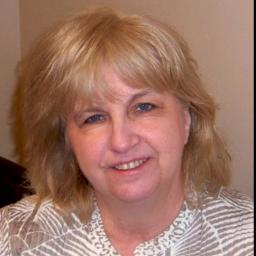
Donna Maso, LCSW
Compassionate, experienced social worker helping families
Opens BetterHelp in a new tab, where you can review online therapy options.
At a glance
- Listed location
- Florida
- Experience
- 31+ years
- Credentials
- LCSW
- Languages
- English
- License (Florida)
- LCSW · No. SW9949
- NPI
- 1114235629
Copied as listed by the therapist. You can check a license with the state board and an NPI with the national registry.
- Strengths focused
- Practical tools
- Aging concerns
About Donna
Her background spans outpatient, inpatient, transitional, and crisis services. She has supported people in shelters, hotlines, courts, schools, correctional settings, and hospice care. That work brought experience with children diagnosed with AD/HD, survivors of abuse, veterans' families, and people facing chronic or terminal conditions.
Donna uses a mix of approaches to match each person's needs. She draws on client-centered methods to center the person's goals, cognitive behavioral ideas to address unhelpful thoughts and behaviors, and mindfulness skills to build present-moment coping. Solution-focused techniques help set clear, achievable steps for change.
In sessions she aims to be practical and direct. Clients can expect a focus on strengths, clear tools to try between meetings, and gradual work toward better daily routines and relationships. Donna also brings experience with caregiver stress, blended family issues, hospice and end-of-life counseling, and aging and geriatric issues.
Her practice style is warm and straightforward. She invites collaboration and asks clients to be part of planning goals and steps. To begin, she recommends a simple initial conversation to match goals and preferences before scheduling further work.
Areas of expertise
Primary focus
Additional focus areas
Therapeutic approaches
Experience
31+ years
Credentials
Florida
Languages
English
How therapeutic approaches shape online work
Donna uses client-centered therapy to keep each conversation focused on the person’s goals and preferences. That approach means sessions start with the client's concerns and priorities, and the therapist guides rather than directs change.She also uses cognitive behavioral therapy, which looks at the thoughts and behaviors that maintain distress and offers concrete strategies to shift them. CBT is helpful for relationship conflict, anxiety, anger, and grief-related patterns. Dialectical behavior therapy contributes skills for emotion regulation, distress tolerance, and clearer communication, which can help with intense emotions and interpersonal challenges.
Finding the right approach is a collaborative process. Donna will work with each person to try methods that fit their situation and adjust as progress is made. Clients help set goals, choose practices, and evaluate what works best during follow-ups.
If you are considering online sessions, confirm current session formats before booking since specific formats are not listed here. Online therapy can make it easier to fit appointments into a busy schedule, reduce travel time, and allow shorter check-ins when needed. It also lets people use skills learned in session in their typical daily routines. Licensed professionals can tailor pacing and homework to fit a person's rhythm and responsibilities.
Frequently asked questions
What kinds of concerns does Donna help with?
She supports people dealing with relationship problems, trauma and abuse, grief, parenting stress, and anger. Additional focuses include aging and geriatric issues, caregiver stress, hospice and end-of-life concerns, and family problems.
What is her approach in therapy?
Her style is client-centered and collaborative. She blends cognitive behavioral techniques, dialectical behavior ideas, mindfulness, and solution-focused steps to create practical plans clients can try between sessions.
How much experience does she have?
Donna brings 31 years of professional counseling experience across many settings, including outpatient care, crisis services, schools, correctional programs, and hospice-related work.
What credentials and location are listed?
She holds the credential LCSW and practices in Florida as a FL LCSW. This is the credential information provided.
Which languages are supported?
Sessions are offered in English only.
Can international clients work with her?
International clients are not currently accepted.
How are sessions scheduled and what do they cost?
Cost varies with location and therapist availability; sessions use a subscription that can be canceled at any time. Exact pricing and scheduling details depend on the chosen plan and timing.
What should I do to begin?
Click the Start Therapy button, complete the short matching questionnaire, and schedule according to the therapist's availability. That process helps match goals and find an initial appointment time.