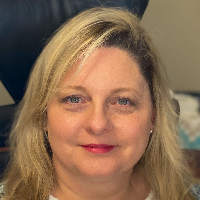
Gina Helms, LPC
Compassionate counselor using practical, evidence-based methods
Opens BetterHelp in a new tab, where you can review online therapy options.
At a glance
- Listed location
- Alabama
- Experience
- 4+ years
- Credentials
- LPC
- Languages
- English
- License (Alabama)
- LPC · No. LPC04469
- NPI
- 1144881228
Copied as listed by the therapist. You can check a license with the state board and an NPI with the national registry.
- Values-based care
- Mindfulness tools
- Aging support
About Gina
She centers sessions on respect and unconditional positive regard. Gina draws from several therapy approaches and tailors each plan to the person in front of her. Sessions focus on practical steps and skills people can use between meetings.
Her work includes support for stress, grief, relationship struggles, sleep problems, parenting strain, and issues connected to aging and geriatric concerns. She also addresses attachment difficulties, codependency, body image, and caregiving stress, alongside substance use and trauma-related problems.
Gina integrates cognitive behavioral techniques with dialectical behavior ideas and acceptance and commitment strategies. She also uses attachment-based and client-centered methods to build stronger emotional awareness and connection to values. Mindfulness and body-focused practices are brought in when helpful.
With four years of clinical experience, Gina aims to help people move toward a more balanced and meaningful life. She emphasizes collaboration, clear goals, and small, achievable changes that add up over time. To get started, follow the site’s intake steps and complete the brief matching questionnaire.
Areas of expertise
Primary focus
Also works with
Additional focus areas
Therapeutic approaches
Experience
4+ years
Credentials
Alabama
Languages
English
Therapeutic approaches and online care
Gina commonly draws on cognitive behavioral therapy and acceptance and commitment therapy to help people make concrete changes. Cognitive behavioral therapy focuses on identifying unhelpful thoughts and testing new behaviors to reduce distress and improve daily routines. Acceptance and commitment therapy encourages clearer values and flexible responses, helping people move toward what matters even when feelings are difficult.Finding the right approach is a collaborative process. Gina works with each person to choose methods that match their needs, goals, and preferences, and adjusts the plan as progress is made. The aim is to try approaches together and see what fits best.
Session format options are not specified in the biography, so confirm current session options before booking. In general, online therapy can make it easier to fit sessions into a busy life - for example it can reduce travel time, allow shorter check-ins during a workday, or avoid the need to be on camera for every meeting. Licensed professionals can use online work to teach coping skills, practice problem-solving, and support changes between sessions while adapting to each person's schedule and day-to-day demands.
Frequently asked questions
What concerns does this therapist help with?
Areas of focus include stress, anxiety, depression, trauma and abuse, addictions, grief, relationship and family issues, sleep problems, parenting strain, anger, self-esteem, bipolar concerns, and coping with life changes. Additional topics include aging and geriatric issues, caregiver stress, attachment challenges, codependency, and substance use.
What is the general therapy style used in sessions?
Therapy is grounded in unconditional positive regard and a non-judgmental stance. Gina combines client-centered listening with structured techniques from cognitive behavioral therapy, dialectical behavior therapy, and acceptance and commitment therapy.
What background and experience does the therapist have?
This clinician has four years of experience working with a range of mental health and behavioral concerns, including trauma, PTSD, mood disorders, anxiety disorders, and co-occurring substance use issues.
Where is the therapist licensed and based?
She is a Licensed Professional Counselor (LPC) practicing in Alabama and holds the credential AL LPC.
Which languages are supported for sessions?
Sessions are offered in English.
Are international clients accepted?
International clients are not currently accepted.
How does pricing and payment work?
Cost varies by location and therapist availability; sessions use a subscription that can be canceled at any time.
What are the steps to begin therapy?
Select the Start Therapy button, complete a short matching questionnaire, and schedule according to therapist availability.