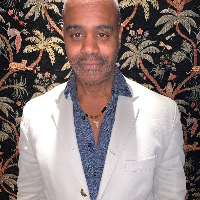
Dr. James Chavers, CA Psychologist 32025
Supporting people through life transitions and aging
Opens BetterHelp in a new tab, where you can review online therapy options.
At a glance
- Listed location
- California
- Experience
- 9+ years
- Credentials
- CA Psychologist 32025
- Languages
- English
- License (California)
- Psychologist · No. 32025
- NPI
- 1801401260
Copied as listed by the therapist. You can check a license with the state board and an NPI with the national registry.
- Person-centered care
- Practical skills
- Aging concerns
About James
He trained at Antioch University Santa Barbara and has worked in a range of settings. These include jails and prisons, community health clinics, and colleges. He has supported older adults living with HIV, people with addiction and life-course illnesses, and students navigating college pressures.
In sessions he combines practical therapies such as Cognitive Behavioral Therapy, Acceptance and Commitment Therapy, Motivational Interviewing, Solution-Focused Therapy, and Client-Centered Therapy. He prioritizes clear goals, small experiments between sessions, and learning new skills that people can use right away.
James draws on humanistic ideas that respect each person as the expert on their own life. He describes his role as supportive and occasionally challenge-oriented when that helps someone move forward. His approach is conversational and direct, aimed at helping people reduce distress and improve daily functioning.
Areas he commonly addresses include anxiety, depression, relationship and intimacy concerns, trauma and abuse, addiction, bipolar disorder, ADHD, caregiver stress, and aging and geriatric issues. He also works with topics such as sexual health, gender concerns, and family-of-origin problems.
He works in California as CA Psychologist 32025 and conducts therapy in English. To begin, people use the Start Therapy button, complete a short matching questionnaire, and schedule based on therapist availability.
Areas of expertise
Primary focus
Also works with
Additional focus areas
Therapeutic approaches
Experience
9+ years
Credentials
California
Languages
English
How therapeutic approaches translate to online care
Acceptance and Commitment Therapy (ACT) helps people notice difficult thoughts and feelings without getting overwhelmed by them, then commit to actions that match their values. It is often used for anxiety, depression, and life transitions. Cognitive Behavioral Therapy (CBT) focuses on spotting unhelpful thinking and testing new behaviors in daily life, which can reduce symptoms of anxiety, low mood, and sleep problems. Client-Centered Therapy emphasizes listening, empathy, and supporting a person’s own goals rather than directing them; this approach can be helpful when someone needs steady emotional support.Finding the right approach is a collaborative process. The therapist will work with each person to choose methods that fit their goals, needs, and preferences. That may mean combining techniques from different approaches and adjusting goals as progress is made.
Online therapy can make it easier to fit sessions into a busy life, such as having appointments without travel or arranging meetings around work and caregiving tasks. Because session formats are not listed in the original biography, confirm current session options before booking to know which formats are offered. Licensed professionals often adapt exercises, homework, and mindfulness practices for remote sessions so people can use new skills between meetings.
Frequently asked questions
What concerns does he often help with?
He commonly helps with anxiety, depression, stress, relationship and intimacy issues, trauma, addiction, bipolar disorder, ADHD, grief, and aging and geriatric issues.
What is his therapeutic style like?
His style is conversational and person-focused. He blends goal-oriented work with respectful listening and occasional direct challenges to help people change behavior.
How much clinical experience does he have?
He has nine years of experience working in jails and prisons, community health clinics, and colleges and universities.
What credential does he hold and where is he based?
He is a California psychologist listed as CA Psychologist 32025 and practices in California.
Which languages are supported for sessions?
Sessions are offered in English.
Can international clients work with him?
He does not accept international clients at this time.
How are sessions priced and billed?
Cost varies with location and therapist availability; sessions use a subscription that can be canceled at any time.
How do I begin working with him?
Use the Start Therapy button, complete a short matching questionnaire, and then schedule according to therapist availability.