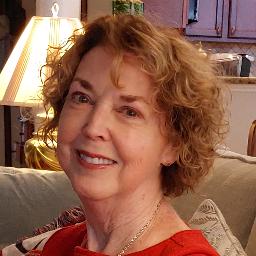
Linda Griffin, LPC
Empowering growth through practical counseling
Opens BetterHelp in a new tab, where you can review online therapy options.
At a glance
- Listed location
- Louisiana
- Experience
- 39+ years
- Credentials
- LPC
- Languages
- English
- License (Louisiana)
- LPC · No. 320
- License (Virginia)
- LPC · No. 0701004589
- NPI
- 1972261519
Copied as listed by the therapist. You can check a license with the state board and an NPI with the national registry.
- Collaborative guidance
- Skill building focus
- Aging and life stages
About Linda
Linda uses practical tools to help people understand problems and set goals. She often helps with anxiety, stress, depression, grief, eating and food-related concerns, self-esteem, and anger. She also works with issues related to sexual orientation and gender identity, relationship conflict, career questions, and life transitions such as midlife change and caregiving strain. Aging and geriatric issues are a noted focus area in her work.
Her approach centers on helping people define clear objectives and take concrete steps toward them. Sessions involve talking through concerns, learning coping skills, and practicing small changes between meetings. She adapts techniques to fit each person rather than following a single formula.
Clients can expect straightforward explanations and a collaborative tone. Linda draws on theories about how people develop identity across the lifespan to help clients take an active role in their growth. The work stresses practical skill building and encouraging self-efficacy in daily life.
Her years in higher education inform a calm, educational style in sessions. She focuses on helping people map out realistic goals, identify barriers, and try new approaches. The emphasis is on steady progress and usable tools that fit everyday routines.
Areas of expertise
Primary focus
Also works with
Additional focus areas
Therapeutic approaches
Experience
39+ years
Credentials
Louisiana, Virginia
Languages
English
How her approaches shape online therapy
Client-Centered Therapy focuses on listening and responding to what matters most to the person in the room. The therapist follows the client's lead, offers empathy, and helps clarify goals and values. This approach helps when someone needs a supportive space to make choices.Cognitive Behavioral Therapy, or CBT, breaks down problems into thoughts, feelings, and behaviors. It uses simple exercises to test unhelpful thoughts and try different behaviors. CBT is often useful for anxiety, depression, and stress because it gives concrete tools to practice between sessions.
Motivational Interviewing helps people find their own reasons to change. It uses questions and reflection to strengthen motivation and plan next steps. This can be helpful for shifting habits, deciding about career moves, or addressing eating-related concerns.
Finding the right mix of approaches is part of the work. The therapist will collaborate with each person to choose methods that match goals, needs, and preferences. That process may involve trying a technique for a few sessions and adjusting based on what is helpful.
Confirm the current session options before booking, as formats are not specified here. Online sessions can make it easier to fit therapy into a busy day, allow shorter check-ins when needed, and remove commute time. These practical benefits can help people stick with therapy while working toward their goals.
Frequently asked questions
What kinds of concerns can Linda help with?
She works with anxiety, stress, depression, grief, eating and food-related issues, self-esteem, anger, relationship conflict, career questions, and identity concerns such as sexual orientation and gender identity. Aging and geriatric issues are also listed as a focus area.
What is her general therapy style like?
She uses a practical, collaborative style that helps people set goals and learn skills. Sessions are conversational and focused on small, doable steps between meetings.
How long has she been working in counseling?
She brings 39 years of experience combining counseling and roles in higher education to her practice.
Where is she based and what credential does she hold?
She is located in Louisiana and is a Licensed Professional Counselor with Louisiana and Virginia LPC credentials listed.
Which languages are available for sessions?
Sessions are offered in English.
Can people outside the U.S. work with her?
International clients are not currently accepted.
How are fees and payment handled?
Cost varies with location and therapist availability; sessions use a subscription that can be canceled at any time.
How do I begin working with her?
Click the Start Therapy button, complete a short matching questionnaire, and schedule according to therapist availability.