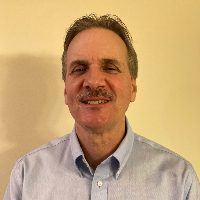
Michael Bohman, LCSW
Seasoned LCSW focused on recovery and coping
Opens BetterHelp in a new tab, where you can review online therapy options.
At a glance
- Listed location
- Virginia
- Experience
- 40+ years
- Credentials
- LCSW
- Languages
- English
- License (Virginia)
- LCSW · No. 0904007847
- NPI
- 1467720110
Copied as listed by the therapist. You can check a license with the state board and an NPI with the national registry.
- Client-centered care
- Recovery-oriented approach
- Aging and caregiver focus
About Michael
He brings long experience in mental health, substance use, domestic violence, and trauma settings. That background includes clinical supervision, consulting, training, and program development. His experience shapes a practical style that focuses on everyday coping and recovery steps rather than abstract theory.
In sessions he combines client-centered listening with cognitive behavioral techniques to tackle thoughts and behaviors that cause distress. He also includes mindfulness skills to reduce reactivity and motivational interviewing to support change when substance use or behavior shifts are a goal. Psychodynamic ideas may inform discussion of patterns from the past.
Michael often helps people facing life transitions, caregiver stress, chronic illness or pain, aging concerns, and relationship challenges. He also works with men’s issues, parenting, ADHD, and compassion fatigue. He aims to make sessions concrete, with clear steps people can try between meetings.
People can expect a steady, experienced clinician who draws on a range of approaches and long experience supervising and training others. To start, he asks clients to outline current concerns so sessions can match immediate needs and longer term goals.
Areas of expertise
Primary focus
Also works with
Additional focus areas
Therapeutic approaches
Experience
40+ years
Credentials
Virginia
Languages
English
How therapeutic approaches shape online care
Client-Centered Therapy focuses on listening and working at the client’s pace. The therapist follows the person’s goals and helps them name what matters most. Cognitive Behavioral Therapy (CBT) looks at unhelpful thoughts and behaviors and teaches practical skills to change them. It works well for anxiety, depression, sleep problems, and coping with life changes. Mindfulness Therapy teaches simple attention and breathing practices to reduce reactivity and improve moment-to-moment coping, which can help stress, trauma reactions, and chronic pain.Finding the right mix of methods is part of the work. The therapist will collaborate with each person to choose approaches that match their needs, goals, and preferences. Sessions often combine listening, skill practice, and short between-session tasks to support progress.
Confirm the therapist’s current session formats before booking, since the biography does not list specific delivery methods. Online options can make it easier to fit meetings into a busy day, reduce travel time, and allow for shorter check-ins or follow-ups when needed. These practical benefits help people maintain continuity of care while working toward recovery and better coping.
Frequently asked questions
What concerns does Michael address?
He works with stress, anxiety, addictions, trauma and abuse, grief, depression, and related concerns. Additional focuses include aging and geriatric issues, caregiver stress, chronic illness and pain, and relationship or intimacy-related problems.
What is his style and therapeutic approach?
He uses a client-centered, recovery-minded approach that emphasizes listening and collaboration. Techniques include cognitive behavioral work, mindfulness skills, motivational interviewing, and psychodynamic ideas when useful.
How much experience does he have?
He brings about 40 years of experience in clinical settings. That background includes clinical supervision, consulting, training, and program development.
Where is he based and what credential does he hold?
He practices in Virginia and holds the credential LCSW, which stands for Licensed Clinical Social Worker.
Are sessions offered in other languages or to international clients?
Sessions are offered in English, and he accepts international clients.
What session formats are available?
Please confirm current session options before booking, as formats are not specified in the biography. The therapist or platform can provide up-to-date information about how sessions are delivered.
How are fees handled?
Cost varies with location and therapist availability, and sessions use a subscription that can be canceled at any time.
How do I begin working with him?
Use the Start Therapy button, complete a short matching questionnaire, and then schedule according to therapist availability.