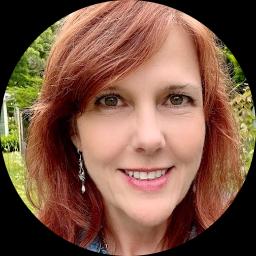
Polly Mortensen, LMHC
Compassionate counselor focused on real-life change
Opens BetterHelp in a new tab, where you can review online therapy options.
At a glance
- Listed location
- New York
- Experience
- 21+ years
- Credentials
- LMHC
- Languages
- English
- License (New York)
- LMHC · No. 000426
- NPI
- 1811538481
Copied as listed by the therapist. You can check a license with the state board and an NPI with the national registry.
- Warm collaborative style
- Skills for daily life
- Career and caregiving support
About Polly
Her background includes long-term work in psychiatric rehab and home-based therapy programs. She has supported people with HIV, those in foster care, and clients with trauma histories. Polly also spent many years in vocational and rehabilitation counseling, assisting people with disabilities to build skills for work and independence.
Polly uses a mix of approaches to match what each person needs. She draws on client-centered methods to listen closely and on cognitive behavioral techniques to address patterns that cause distress. Mindfulness and dialectical behavior strategies are part of her toolkit for managing strong emotions and improving everyday coping.
Sessions focus on practical steps and clear goals. Polly helps with career decisions, relationship problems, grief, parenting concerns, ADHD, and caregiver stress among other issues. She aims to make therapy straightforward so people can use what they learn right away.
Polly works with the LGBTQIA+ community and with people who have experienced trauma. She emphasizes collaboration and respects each person's pace. If you want to explore next steps, she guides you in setting reasonable goals and building skills to reach them.
Areas of expertise
Primary focus
Also works with
Additional focus areas
Therapeutic approaches
Experience
21+ years
Credentials
New York
Languages
English
How therapeutic approaches guide online work
Client-centered therapy starts by focusing on what matters most to the person in front of the therapist. It means listening closely, reflecting concerns, and shaping sessions around a person's own goals and values. Cognitive Behavioral Therapy, or CBT, looks at the thoughts and behaviors that keep problems going and teaches concrete steps to change them. CBT is useful for anxiety, depression, and coping with life changes. Dialectical Behavior Therapy, or DBT, offers skills for handling intense emotions and improving relationships through emotion regulation and distress tolerance techniques.Finding the right approach is part of the work together. Polly will collaborate with clients to decide which methods fit their needs and preferences. That might mean starting with client-centered conversations, then adding CBT tools or DBT skills as goals become clearer.
The therapist's biography does not list specific online formats, so confirm current session options before booking. Many people appreciate online therapy because it can make scheduling easier and cut travel time, which helps fit sessions into work or caregiving days. Other practical benefits include shorter check-ins when time is limited and options that avoid being on camera if that feels better. Talk with the therapist about what will work best for your routine and goals, and she will help arrange a plan that fits everyday life.
Frequently asked questions
What kinds of concerns does Polly address?
Polly helps people facing stress, anxiety, depression, grief, relationship and family issues, parenting challenges, and job or career questions. She also works with trauma, ADHD, bipolar concerns, caregiver stress, and aging-related issues.
How would you describe her therapy style?
Her style is warm and client-centered with practical tools. Sessions mix listening with skill-building from cognitive behavioral and mindfulness approaches.
What experience does she bring to sessions?
She has 21 years of experience in psychiatric rehabilitation, home-based therapy, foster care settings, and vocational rehabilitation counseling in New York and Florida.
What credentials and location are listed for Polly?
Polly holds the credential LMHC as a New York Licensed Mental Health Counselor and practices from New York.
Can people meet with her in other languages or from other countries?
Sessions are offered in English and she is not currently accepting international clients.
What session formats are available for appointments?
The original biography does not specify session formats; please confirm current session options before booking to know which formats are offered.
How much do sessions cost?
Cost varies with location and therapist availability; sessions use a subscription that can be canceled at any time.
What are the first steps to begin working together?
Click the Start Therapy button, complete a short matching questionnaire, and schedule according to therapist availability.