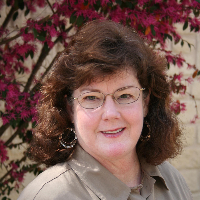
Robyn Ott, LCSW
Change-focused licensed social worker
Opens BetterHelp in a new tab, where you can review online therapy options.
At a glance
- Listed location
- Arkansas
- Experience
- 30+ years
- Credentials
- LCSW
- Languages
- English
- License (Texas)
- LCSW · No. 21043
- License (Arkansas)
- LCSW · No. 13140-C
- NPI
- 1174650469
Copied as listed by the therapist. You can check a license with the state board and an NPI with the national registry.
- Goal-directed therapy
- Strength focused
- Practical tools
About Robyn
Her work centers on helping people break unhelpful patterns and build new skills. She supports those facing anxiety, depression, trauma, low self-esteem, relationship struggles, grief, and parenting stress. Aging and geriatric issues are listed among her additional focus areas.
Robyn uses strength-focused, goal-directed methods so people can set small steps and see steady progress. She teaches pacing, incremental goal setting, and accountability. That practical emphasis aims to help people find confidence and hope as they change behaviors and beliefs.
Her style mixes compassion with clear direction. Sessions include tools and concrete suggestions that can be used between meetings. Robyn aims to make therapy an active process where clients practice new ways of responding to life’s stresses.
People who are ready to work, learn new tools, and set intentional goals are encouraged to begin. To start, prospective clients follow the site’s process to match and schedule a therapist based on availability. Robyn looks forward to supporting clients as they begin a new chapter.
Areas of expertise
Also works with
Additional focus areas
Therapeutic approaches
Experience
30+ years
Credentials
Texas, Arkansas
Languages
English
How therapy approaches guide online work
Acceptance and Commitment Therapy, or ACT, encourages people to clarify their values and take committed steps toward them while learning to live with difficult thoughts and feelings. It can help when life changes, anxiety, or grief get in the way of what matters most. Cognitive Behavioral Therapy, or CBT, focuses on identifying unhelpful thoughts and changing behavior through practical exercises and skill practice, which is useful for anxiety, depression, and sleep or eating concerns. Client-Centered Therapy emphasizes the therapeutic relationship and steady, respectful listening to help people find their own solutions and build self-esteem.Finding the right approach is part of the early work. The therapist will talk with each person about goals, preferences, and what seems most helpful, then adapt methods so they fit the person's needs. This is a collaborative process rather than a one-size-fits-all prescription.
The original biography does not list specific session formats, so please confirm available online options before booking. Many people find that online work makes it easier to fit therapy into a busy life, whether they are managing caregiving responsibilities, work commitments, or mobility concerns. Online sessions can reduce travel time, allow shorter check-ins when needed, and make it easier to practice skills between meetings. Licensed professionals will work with clients to plan a schedule and pace that supports steady progress.
Frequently asked questions
What concerns does Robyn address?
She works with stress, anxiety, trauma and abuse, depression, self-esteem, grief, relationship and intimacy issues, parenting and caregiver stress, ADHD, and related concerns.
What is her therapeutic style like?
Her approach is patient and direct, focusing on practical tools, pacing, and incremental goal setting to support steady change.
How much clinical experience does she have?
Robyn has 30 years of clinical experience, including many years in private practice working with a range of concerns.
What credentials and location are listed?
She is a Licensed Clinical Social Worker - LCSW - with licensure in Texas and Arkansas, and the profile location is Arkansas.
Which languages are supported for sessions?
Sessions are offered in English, and international clients are accepted.
What session formats are available?
The original biography does not specify session formats; please confirm current online and in-person options before booking.
How does pricing work?
Cost varies with location and therapist availability, and sessions use a subscription that can be canceled at any time.
How do I begin therapy with Robyn?
Use the Start Therapy button, complete a short matching questionnaire, and then schedule according to the therapist's availability.