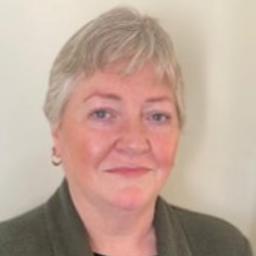
Rosemarie Savage, BACP
Supportive counsellor for stress and life changes
Opens BetterHelp in a new tab, where you can review online therapy options.
At a glance
- Listed location
- United Kingdom
- Experience
- 5+ years
- Credentials
- BACP
- Languages
- English
- Registration (United Kingdom)
- BACP · No. 376113
Copied as listed by the therapist. You can check a registration with the body that issued it.
- Client-centred
- Mindfulness
- Trauma-aware
About Rosemarie
She uses a gentle, person-focused style that centres the client’s goals and pace. Sessions aim to build confidence and practical ways to manage day-to-day challenges. Rosemarie mixes talking and reflective practices to help people notice what matters to them and what feels different over time.
Her background includes five years of professional experience in the United Kingdom and registration with the British Association for Counselling and Psychotherapy, BACP. That experience has involved supporting people through trauma, mood changes such as depression and bipolar, and complex stress including compassion fatigue and caregiving strain.
Therapy draws on client-centred listening, mindfulness exercises, somatic techniques that connect body and feeling, and trauma-focused approaches when needed. These methods are used to help people with attachment issues, ageing and geriatric concerns, chronic illness and pain, and identity or gender-related worries.
Rosemarie offers an encouraging, collaborative environment where clients set the aims. She helps people turn small steps into steady changes, whether the focus is on coping strategies, clearer communication, or building emotional resilience.
Areas of expertise
Also works with
Additional focus areas
Therapeutic approaches
Experience
5+ years
Credentials
United Kingdom
Languages
English
How her approaches translate to online therapy
Client-centred therapy focuses on listening and following what matters to the person in front of the therapist. In practice this means sessions concentrate on the client’s goals, and the counsellor reflects back understanding to help people notice shifts and options.Mindfulness therapy uses simple attention practices and grounding exercises to reduce reactivity and increase calm. It can help with anxiety, stress, sleep problems and coping with grief by teaching short, repeatable exercises to use between sessions.
Somatic therapy pays attention to bodily sensations alongside thoughts and emotions. That approach can be useful for people affected by trauma, chronic pain, or strong stress responses, and it often involves gentle awareness and breath- or movement-based exercises.
Finding the right approach is part of therapy itself. The therapist will work together with the client to choose what feels most helpful based on needs, goals and preferences. Plans can change as progress is made and new priorities appear.
Practical benefits of online work include fitting sessions into busy days and reducing travel time. Online sessions can make it easier to schedule short check-ins during a break or to join from a quieter place. As the biography does not specify formats, confirm the available session types before booking so they fit into everyday life.
Frequently asked questions
What kinds of problems does Rosemarie help with?
She supports people dealing with stress, anxiety, trauma and abuse, grief, self-esteem and many life changes. The list also includes concerns such as addiction, sleep and eating issues, relationship and intimacy-related problems, and ageing and geriatric issues.
How would you describe her therapeutic style?
Her style is client-centred and collaborative, with a calm, encouraging approach. She blends talking, mindfulness and body-based techniques to help people manage feelings and practical difficulties.
What experience does she bring to sessions?
She has five years of professional experience working in the United Kingdom. That time has included support for trauma, mood disorders, caregiving stress and other complex life challenges.
What credentials and location are listed?
She is registered with the British Association for Counselling and Psychotherapy, BACP, and practises in the United Kingdom.
Which languages are sessions offered in?
Sessions are offered in English and Rosemarie accepts international clients.
What session formats are available?
Session formats are not specified in the biography; please confirm current session options before booking.
How are fees and payment structured?
Cost varies with location and therapist availability, and sessions use a subscription that can be cancelled at any time.
How do I begin working with her?
Start by selecting the Start Therapy button and completing a short matching questionnaire. You can then schedule sessions according to therapist availability.