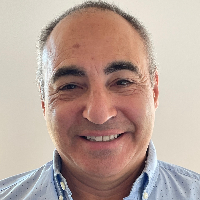
Stuart Riskin, LCSW
Experienced LCSW focusing on life transitions
Opens BetterHelp in a new tab, where you can review online therapy options.
At a glance
- Listed location
- California
- Experience
- 28+ years
- Credentials
- LCSW
- Languages
- English
- License (California)
- LCSW · No. 22300
- NPI
- 1447518436
Copied as listed by the therapist. You can check a license with the state board and an NPI with the national registry.
- Strengths-based approach
- Collaborative process
- Practical tools
About Stuart
Stuart followed a nontraditional path into social work after a first career in the entertainment industry. That background and later public and private sector roles give him a broad perspective on work, life transitions, and the stresses people face. He uses his experience to help people find steady footing during change.
In sessions he focuses on collaboration. He listens first, then helps people shape goals that feel realistic. He leans on approaches that encourage noticing thoughts and emotions, strengthening close relationships, and building skills to manage anxiety, depression, addiction, grief, and caregiver stress.
Stuart works from a strengths-based perspective that assumes people already have resources they can build on. He helps people clarify what they want to change and tries practical techniques to support those changes. Expect straightforward conversation, supportive feedback, and an emphasis on small steps that add up.
He has particular experience with aging and geriatric issues, caregiving stress, adoption and foster care concerns, and intimacy and relationship problems. He also assists people coping with life transitions, career questions, ADHD, and substance issues.
Stuart practices in California and conducts sessions in English. He is open to working with international clients and uses a matching process to pair people with the right schedule and format.
Areas of expertise
Primary focus
Also works with
Additional focus areas
Therapeutic approaches
Experience
28+ years
Credentials
California
Languages
English
How therapeutic approaches shape online work
Client-Centered Therapy focuses on listening and following the client's lead. The therapist provides acceptance and reflection to help people better understand their feelings and choices, which can help with anxiety, depression, and life transitions.Cognitive Behavioral Therapy helps people spot unhelpful thoughts and try different behaviors. It uses concrete exercises and experiments that people can practice between sessions to reduce anxiety, manage mood, and change problematic habits.
Emotionally-Focused Therapy addresses patterns in close relationships by helping people notice emotions and respond differently. It can be useful for improving communication and intimacy concerns.
Finding the right approach is a collaborative process. The therapist will discuss goals, preferences, and how symptoms are showing up to recommend what to try first. Plans are adjusted over time based on what helps most, so clients take an active role in shaping their care.
Confirm session options before booking since the biography does not list specific formats. In general, online work can make scheduling easier and fit into busy days, and it can allow for shorter check-ins or sessions that reduce travel time. It also makes it possible to work with a licensed professional from another region when international arrangements are appropriate.
Frequently asked questions
What kinds of concerns does Stuart help with?
He works with a wide range of issues including stress, anxiety, depression, addictions, grief, caregiver stress, relationship and intimacy concerns, and aging and geriatric issues.
How would you describe his therapeutic style?
His style is supportive and strengths-based. He listens first, treats clients as experts, and uses practical techniques to help people reach realistic goals.
How much experience does he have?
He has 28 years in the helping professions, including a nontraditional path from the entertainment industry into social work.
What credential does he hold and where is he based?
He is a Licensed Clinical Social Worker, LCSW, licensed in California and practices there.
Which languages are available for sessions?
Sessions are offered in English, and he also accepts international clients.
What session formats are offered?
Please confirm current session options before booking, as the biography does not list specific formats.
How is cost handled for sessions?
Cost varies with location and therapist availability, and sessions use a subscription that can be canceled at any time.
How do I begin working with him?
Use the Start Therapy button, complete a short matching questionnaire, and then schedule according to therapist availability.