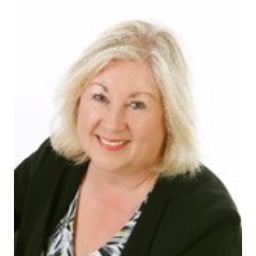
Sue Hunter, BACP, NCPS
Compassionate counselling for major life stresses
Opens BetterHelp in a new tab, where you can review online therapy options.
At a glance
- Listed location
- United Kingdom
- Experience
- 12+ years
- Credentials
- BACP, NCPS
- Languages
- English
- Registration (United Kingdom)
- BACP · No. 89701
- Registration (United Kingdom)
- NCPS · No. NCS21-02186
Copied as listed by the therapist. You can check a registration with the body that issued it.
- Person-centred approach
- Bach flower remedies
- Emotional Freedom Technique
About Sue
Her practice is rooted in person-centred counselling, which trusts a person’s own resources to find direction. She blends this with other approaches such as cognitive behavioural ideas and emotionally-focused work to match what someone needs in the room. That flexible, integrative style aims to increase self-awareness and help people make clearer choices for everyday life.
Sue has 12 years of experience and is a Registered Member of the British Association for Counselling & Psychotherapists (BACP). She is also a Senior Accredited Member of the National Counselling Society (NCS). These details describe her professional registrations as supplied.
Alongside talking therapy she offers complementary options that some clients choose to combine with counselling. She is a Registered Bach Practitioner and can provide bespoke Bach flower remedies for emotional support, posted to a client if desired for an extra cost. She is also a trained Emotional Freedom Technique practitioner and can include this approach when helpful.
Sue works from the United Kingdom and conducts her practice with a gentle, practical focus. She aims to help people build tools for coping, manage distressing emotions, and find more calm in daily life.
Areas of expertise
Primary focus
Also works with
Additional focus areas
Therapeutic approaches
Experience
12+ years
Credentials
United Kingdom, United Kingdom
Languages
English
How Sue’s approaches can fit into online work
Person-centred counselling focuses on being listened to and understood without judgement. It helps people clarify their feelings and decisions by building a trusting relationship with the therapist. Cognitive Behavioural Therapy (CBT) looks at patterns of thought and behaviour and teaches practical skills to change unhelpful habits, which is useful for anxiety and low mood. Emotionally-Focused Therapy (EFT) aims to recognise and work with strong emotions to improve how a person responds to distress and relationships.Choosing an approach is usually collaborative. Sue will talk with each person about their goals, preferences and the problems they want to address. Together they decide which mix of person-centred listening, CBT techniques or emotionally-focused work feels most useful for the situation.
The original biography does not list specific online session formats, so please confirm current options before booking. In general, online work can make it easier to fit therapy into a busy week, reduce travel time and allow a quicker check-in when needed. Some people find sessions without video are less demanding, while others prefer video to read facial cues; Sue will help identify what works best and adapt the pace and tools to fit everyday life.
Frequently asked questions
What kinds of concerns does Sue help with?
Sue supports people with stress, anxiety, depression, grief, relationship problems and life changes. She also works with issues such as addiction, ADHD, caregiver stress, chronic illness and ageing concerns.
How would you describe her therapeutic style?
The core approach is person-centred counselling, which focuses on listening and understanding. She combines this with cognitive behavioural and emotionally-focused ideas to tailor sessions to each person.
What is her professional background?
She has 12 years of experience working in counselling and related therapies. Her practice integrates talk therapy with complementary approaches where appropriate.
Which credentials and location are listed?
She is a Registered Member of the British Association for Counselling & Psychotherapists (BACP) and a Senior Accredited Member of the National Counselling Society (NCS). Her practice is based in the United Kingdom.
Which languages are sessions offered in?
Sessions are offered in English.
What session formats are available?
The original biography does not specify session formats, so please confirm current options before booking to ensure they meet your needs.
How are fees and payments handled?
Cost varies with location and therapist availability, and sessions use a subscription model that can be cancelled at any time.
How do I begin working with her?
Choose the Start Therapy button, complete a short matching questionnaire, and then schedule according to therapist availability.