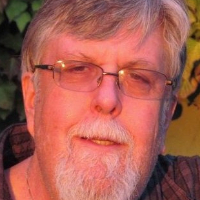
Prof. Craig Hutton, LCSW
Compassionate, practical therapy for life changes
Opens BetterHelp in a new tab, where you can review online therapy options.
At a glance
- Listed location
- New Mexico
- Experience
- 4+ years
- Credentials
- LCSW
- Languages
- English
- License (New Mexico)
- LCSW · No. C-11530
- NPI
- 1427658145
Copied as listed by the therapist. You can check a license with the state board and an NPI with the national registry.
- Warm and collaborative
- Practical goals focused
- Experienced with aging
About Craig
His approach is warm and straightforward. He aims to create an inviting space where people feel heard and respected. Sessions focus on practical steps and clear goals rather than abstract theory. Craig emphasizes collaboration and helps people uncover their own answers while offering guidance along the way.
Craig draws on several therapy methods to fit each person’s needs, including client-centered work, cognitive behavioral techniques, dialectical behavior strategies, emotionally-focused ideas, and existential perspectives. He uses these tools to address issues such as grief, caregiver stress, aging and geriatric issues, addiction, intimacy concerns, and coping with life changes.
He also has experience supporting people impacted by abandonment, adoption and foster care, attachment challenges, autism and Asperger syndrome, and chronic pain or disability. That background informs how he frames treatment plans and conversations about day-to-day coping.
People who prefer clear, respectful dialogue and practical strategies may find his style helpful. He encourages questions and works with clients to set goals that match their situation and values.
Areas of expertise
Primary focus
Also works with
Additional focus areas
Therapeutic approaches
Experience
4+ years
Credentials
New Mexico
Languages
English
How his approaches translate to online work
Client-Centered Therapy emphasizes a respectful, nonjudgmental stance and focuses on understanding what matters most to the person seeking help. Online sessions using this approach let the therapist listen deeply and reflect back what clients say so they can gain clarity and direction.Cognitive Behavioral Therapy (CBT) looks at the links between thoughts, feelings, and actions and uses practical exercises to change unhelpful patterns. In virtual sessions that can mean homework between meetings, brief in-session skill practice, and step-by-step problem solving for anxiety, depression, or stress.
Dialectical Behavior Therapy (DBT) offers concrete skills for emotion regulation, distress tolerance, and better communication. Delivered online, DBT-style work typically focuses on teaching and rehearsing these skills and applying them to everyday situations like caregiver stress or relationship conflict.
Finding the right approach is part of the work. The therapist will collaborate with each person to choose methods that match their needs, goals, and preferences. That means trying approaches, checking what helps, and adjusting the plan together.
The original biography does not specify session formats, so confirm available options before booking. Many people find online therapy helpful because it can fit into busy schedules, reduce travel time, and make it easier to maintain regular sessions around work or caregiving duties. Online work also allows for flexible pacing, brief check-ins when needed, and continuing skill practice between meetings.
Frequently asked questions
What concerns does Craig commonly address?
He works with a wide range of issues including stress, anxiety, depression, relationship and intimacy concerns, grief, addictions, caregiver stress, and aging and geriatric issues.
What is his therapeutic style like?
His style is open, warm, and inviting. He focuses on collaboration, respectful dialogue, and practical steps to help people reach their goals.
What kind of experience does he have?
He has four years of experience that includes work in the medical field and in private practice, offering support for chronic illness, mental health symptoms, and life transitions.
What credentials and location should I know about?
He holds a Licensed Clinical Social Worker credential (LCSW) in New Mexico and practices from that state.
Which languages are sessions offered in?
Sessions are offered in English. International clients are accepted.
What session formats are available?
The original profile does not list specific session formats. Please confirm current session options before booking.
How does payment and cost work?
Cost varies with location and therapist availability and sessions use a subscription that can be canceled at any time.
How do I begin working with him?
Use the Start Therapy button, complete the short matching questionnaire, and schedule according to therapist availability.