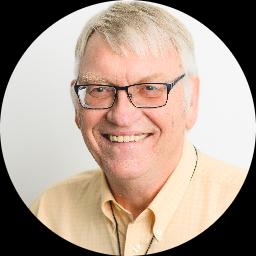
Curtis Boehne, LCSW
Experienced LCSW supporting life transitions
Opens BetterHelp in a new tab, where you can review online therapy options.
At a glance
- Listed location
- Illinois
- Experience
- 28+ years
- Credentials
- LCSW
- Languages
- English
- License (Illinois)
- LCSW · No. 149.006963
- NPI
- 1023110848
Copied as listed by the therapist. You can check a license with the state board and an NPI with the national registry.
- Practical coping strategies
- Calm conversational style
- Aging and caregiver focus
About Curtis
He uses a calm, conversational style and encourages honest talk about feelings and worries. Sessions are meant to be a place to sort thoughts, try small changes, and build coping habits that fit daily life. Curtis emphasizes clear steps and compassion rather than jargon or complex plans.
With 28 years of experience, Curtis has worked across a range of challenges including addiction, trauma and abuse, intimacy-related issues, parenting, and career concerns. He also focuses on aging and geriatric issues, caregiver stress, hospice and end-of-life counseling, and cancer-related emotional needs. This background helps him notice the practical pressures people face at different life stages.
His methods draw on acceptance and commitment approaches, cognitive-behavioral techniques, mindfulness, client-centered care, and motivational interviewing. In conversation he blends steady listening with goal-focused suggestions so clients can test new ways of coping between sessions.
People who want direct, compassionate help with coping, decision-making, or life transitions may find his approach useful. He invites clients to begin with a simple conversation about what matters most, then works with them to shape the next steps.
Areas of expertise
Primary focus
Also works with
Additional focus areas
Therapeutic approaches
Experience
28+ years
Credentials
Illinois
Languages
English
How specific approaches guide online work
Acceptance and Commitment Therapy (ACT) helps people notice unhelpful thoughts and commit to actions that reflect their values. It can be useful for anxiety, stress, and coping with life changes. Cognitive Behavioral Therapy (CBT) focuses on the links between thoughts, feelings, and behaviors and teaches practical tools to challenge unhelpful patterns. It often helps with depression, anxiety, and anger. Client-Centered Therapy emphasizes a respectful, nonjudgmental relationship where the therapist listens closely and follows the client's lead to support insight and growth.Finding the right approach is part of the process. Curtis will work with clients to decide which methods fit their goals and preferences. He aims to be collaborative, offering options and adjusting techniques based on what a person finds helpful in session and between meetings.
The biography does not list specific session formats, so confirm available options before booking. Online work can make it easier to fit therapy into a busy schedule, reduce travel time, and allow shorter check-ins when needed. It can also help people keep continuity of care during life transitions. Licensed professionals can adapt ACT, CBT, and client-centered techniques to remote settings so clients can practice new skills in everyday contexts.
Frequently asked questions
What kinds of concerns does Curtis help with?
Curtis works with a wide range of issues including stress, anxiety, depression, relationship and intimacy concerns, grief, anger, addictions, trauma and abuse, parenting, career stress, and compassion fatigue. He also focuses on aging and geriatric issues, caregiver stress, hospice and end-of-life counseling, and cancer-related emotional needs.
How would you describe his therapy style?
He uses a conversational, client-centered style that balances listening with practical suggestions. Sessions typically involve talking through feelings, setting small goals, and practicing new coping strategies between visits.
What is his professional background?
Curtis is a Licensed Clinical Social Worker with 28 years of experience in behavioral health settings. His long career includes work with grief, addiction, family issues, and trauma-related concerns.
Where is Curtis licensed and based?
He is licensed in Illinois as an LCSW and practices with clients in that region.
Which languages are offered for sessions?
Sessions are offered in English.
What session formats are available?
The original biography does not specify session formats; please confirm current session options before scheduling so you know whether in-person or remote sessions are offered.
How are fees and payment handled?
Cost varies with location and therapist availability, and sessions use a subscription that can be canceled at any time.
How do I begin working with him?
To start, select the Start Therapy button, complete a short matching questionnaire, and schedule according to therapist availability.