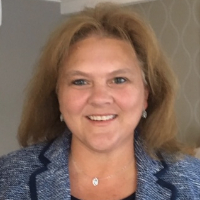
Michelle Gross, LCMHC
Focused, practical mental health support
Opens BetterHelp in a new tab, where you can review online therapy options.
At a glance
- Listed location
- North Carolina
- Experience
- 20+ years
- Credentials
- LCMHC
- Languages
- English
- License (North Carolina)
- LCMHC · No. 7316
- NPI
- 1730409293
Copied as listed by the therapist. You can check a license with the state board and an NPI with the national registry.
- ADHD coping strategies
- Geriatric concerns
- Career and life transitions
About Michelle
She uses straightforward, practical tools in sessions. Michelle draws on Client-Centered Therapy to build a respectful rapport and Cognitive Behavioral Therapy to identify unhelpful thoughts and habits. She also brings Dialectical Behavior Therapy skills and mindfulness practices into work with strong emotions and impulsivity.
Michelle’s background includes counseling, coaching, and education across schools, universities, corporations, and private practice. That mix helps her see problems from different angles and tailor plans to each person’s daily life. She explains ideas plainly and helps people turn insight into action.
When working with clients who have ADHD, Michelle focuses on coping strategies that fit their routines and thinking style. For people juggling caregiving, blended family issues, or end-of-life decisions, she concentrates on practical steps to reduce overwhelm and improve communication.
Sessions aim to clarify priorities, improve task completion, and strengthen self-awareness. Michelle offers guidance for entrepreneurs and professionals who want better workflow, delegation, and leadership habits. She invites people to try approaches and adjust them together as needs change.
Areas of expertise
Primary focus
Also works with
Additional focus areas
Therapeutic approaches
Experience
20+ years
Credentials
North Carolina
Languages
English
How these approaches translate to online care
Client-Centered Therapy focuses on listening closely and building a respectful working relationship. Online sessions can provide a steady space to be heard, reflect, and set personal goals with gentle guidance.Cognitive Behavioral Therapy (CBT) breaks problems into thoughts, feelings, and actions and teaches practical skills to change them. In remote sessions clients often practice new habits between meetings and report back so the therapist can help tweak strategies.
Dialectical Behavior Therapy (DBT) offers concrete skills for emotion regulation, distress tolerance, and interpersonal effectiveness. Those tools can be taught in conversation and practiced between appointments to manage impulsivity and intense feelings.
Finding the right approach is part of the process. Michelle will work collaboratively to decide which methods match each person's needs and goals, and she adjusts plans as progress unfolds.
Confirm current session formats before booking to know what is offered. Online work can make it easier to fit appointments into busy days, reduce travel time, and allow shorter check-ins when needed. Many people find remote sessions help them stay consistent with skill practice and apply changes directly in daily life.
Frequently asked questions
What concerns does Michelle help with?
She supports people with stress, anxiety, depression, grief, ADHD, addictions, and relationship and family difficulties. Additional focuses include aging and geriatric issues, caregiver stress, and end-of-life counseling.
What is her therapeutic style like?
Michelle uses a practical, down-to-earth style that emphasizes self-awareness and actionable steps. Sessions blend client-centered listening with skills work to change unhelpful patterns.
How long has she been practicing?
She has 20 years of experience in counseling, coaching, and education across schools, universities, corporations, and private practice.
What are her credentials and where is she located?
Michelle holds the LCMHC credential and practices in North Carolina.
Which languages are supported?
Sessions are offered in English, and she accepts international clients.
What session formats are available?
Confirm current session options before booking so you know which formats are offered for scheduling and convenience.
How are fees handled?
Cost varies with location and therapist availability; sessions use a subscription that can be canceled at any time.
How do I begin working with her?
Start by selecting the Start Therapy button, completing a short matching questionnaire, and then scheduling based on the therapist's availability.