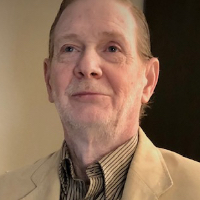
Patrick Shanahan, LCSW
Experienced LCSW for life transitions
Opens BetterHelp in a new tab, where you can review online therapy options.
At a glance
- Listed location
- Missouri
- Experience
- 44+ years
- Credentials
- LCSW
- Languages
- English
- License (Missouri)
- LCSW · No. 000602
- NPI
- 1255999231
Copied as listed by the therapist. You can check a license with the state board and an NPI with the national registry.
- Relationship support
- Grief and loss
- Aging concerns
About Patrick
Patrick believes people are largely self-correcting but can get stuck. In sessions he looks for practical ways to move past what holds someone back. He pays attention to each person's values and life story to find direction that fits their goals.
Early in his career he started and ran an outpatient clinic connected to a runaway and homeless youth shelter. For 18 years he provided case management, individual work, and family-focused sessions in both shelter and community settings. He trained and supervised staff and graduate students during that time.
He later spent nearly two decades working with managed care, offering phone-based therapy and crisis intervention and helping members use mental health benefits. He has also worked in outpatient offices and in collaboration with a university on research to improve therapy methods.
His clinical style draws on problem-solving, structural and strategic systems ideas, cognitive behavioral methods, attachment-informed work, and elements of emotionally-focused and acceptance-based approaches. Patrick describes his work as practical, value-centered, and aimed at helping people find clearer choices.
Areas of expertise
Primary focus
Also works with
Additional focus areas
Therapeutic approaches
Experience
44+ years
Credentials
Missouri
Languages
English
How his approaches translate to online work
Acceptance and Commitment Therapy (ACT) helps people clarify what matters to them and take small steps toward those values. It is useful for anxiety, depression, stress, and life transitions. Attachment-Based Therapy focuses on how relationships shape feelings and behavior and can help with intimacy-related struggles and family patterns. Cognitive Behavioral Therapy (CBT) breaks problems into patterns of thoughts and actions and teaches specific skills to change them, which can help with depression, anxiety, and coping skills.Finding the right approach is part of the therapeutic work. Patrick will collaborate with clients to choose methods that match their goals, preferences, and daily life. He adjusts techniques over time as needs change and focuses on practical steps clients can use between sessions.
Confirm the current online session options before booking so you know what formats are available. Many people find remote sessions easier to fit into work or caregiving schedules, allow for shorter check-ins when needed, and reduce travel time. Others like being able to schedule from different locations or to avoid needing to be on camera for every meeting. Ask about format details when you set up your first appointment so sessions match your routine and goals.
Frequently asked questions
What kinds of problems does Patrick address?
He helps with relationships, grief, anger, low self-esteem, depression, stress, anxiety, addictions, family issues, trauma and intimacy concerns, among others.
What is Patrick's therapy style like?
His approach is practical and value-focused. He uses problem solving, attachment-informed work, cognitive behavioral techniques, and acceptance-oriented ideas to help people make changes.
How long has he been practicing?
He brings 44 years of experience across shelters, outpatient clinics, managed care, and community settings.
What credential does he hold and where is he based?
He is an LCSW licensed in Missouri and works with people from that region and beyond.
Are sessions offered in other languages or internationally?
Sessions are offered in English, and he accepts international clients.
What session formats are available?
Please confirm current session options before booking to know which formats are offered for scheduling.
How are fees handled?
Cost varies with location and therapist availability; sessions use a subscription that can be canceled at any time.
How do I begin working with him?
Click the Start Therapy button, complete a short matching questionnaire, and schedule according to the therapist's availability.