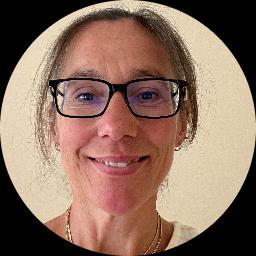
Paula Clements, BACP, NCPS
Compassionate support for life transitions
Opens BetterHelp in a new tab, where you can review online therapy options.
At a glance
- Listed location
- New York
- Experience
- 4+ years
- Credentials
- BACP, NCPS
- Languages
- English
- Registration (United Kingdom)
- BACP · No. 391155
- Registration (United Kingdom)
- NCPS · No. NCS23-03348
Copied as listed by the therapist. You can check a registration with the body that issued it.
- Values-led work
- Relationship-focused
- Practical steps
About Paula
Paula uses a mix of approaches to suit the person in front of her. She draws on Acceptance and Commitment Therapy to help clients notice thoughts and commit to values-led action. Attachment-Based and Client-Centred ways of working inform her focus on the therapeutic relationship and on listening with curiosity. She also brings psychodynamic ideas to understand patterns that repeat over time.
With four years of professional experience, Paula has worked with people dealing with bereavement, caregiver stress, neurodiversity and trauma-related dissociation. Her approach is gentle and exploratory rather than directive. Sessions aim to clarify what matters to the client and to build small, practical steps forward.
Paula holds BACP and NCPS credentials, which are noted as part of her background. She is based in New York and offers sessions in English. If you are ready to begin, she asks for a first step of completing a short questionnaire to help match you and schedule your first session.
Areas of expertise
Also works with
Additional focus areas
Therapeutic approaches
Experience
4+ years
Credentials
United Kingdom, United Kingdom
Languages
English
How Paula's approaches translate to online therapy
Acceptance and Commitment Therapy (ACT) helps people notice unhelpful thoughts and choose actions that match their values. It is often useful for anxiety, depression and coping with life changes. Attachment-Based Therapy looks at how early relational patterns shape current relationships and helps people try new ways of relating in the present. Client-Centred Therapy places emphasis on being listened to without judgement so clients can find their own solutions at their own pace.Finding the right approach is usually a shared process. Paula will work with each person to identify which methods feel most useful and adapt the work as goals and needs evolve. The early sessions are a time to try different ways of working and agree a plan together.
If you are considering online therapy, check the available session options before booking as formats are not specified here. Online work can make it easier to fit therapy into a busy life - for example it reduces travel time, lets people join from a quieter location and can allow shorter check-ins between full sessions. Many people find that regular online sessions help maintain momentum when juggling caregiving, work or health demands. Registered or accredited professionals and therapists can explain which format will suit your practical needs when you set up the first appointment.
Frequently asked questions
What kinds of concerns does Paula support?
She helps with stress, anxiety, trauma and abuse, grief, low self-esteem, depression and addictions, plus issues such as ADHD, bipolar and caregiver stress.
How would she describe her therapeutic style?
Her style is calm and collaborative, focussing on listening, exploring patterns and building small practical steps that fit a person's life.
What experience does she bring?
Paula has four years of professional experience and has worked with people affected by bereavement, trauma-related issues and neurodiversity.
Which credentials and location apply to her practice?
Her listed credentials are BACP and NCPS, and she is based in New York.
In which languages can sessions be held?
Sessions are offered in English.
Does she work with international clients?
International clients are not currently accepted.
How are sessions paid for and what do costs look like?
Costs vary with location and therapist availability; sessions use a subscription model that can be cancelled at any time.
What is the first step to begin therapy?
Click the Start Therapy button, complete a short matching questionnaire, and then schedule according to the therapist's availability.