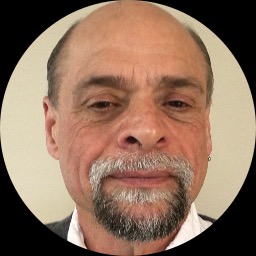
Richard Alongi, LMFT
Experienced therapist for life transitions
Opens BetterHelp in a new tab, where you can review online therapy options.
At a glance
- Listed location
- California
- Experience
- 36+ years
- Credentials
- LMFT
- Languages
- English
- License (California)
- LMFT · No. 19896
- NPI
- 1609047216
Copied as listed by the therapist. You can check a license with the state board and an NPI with the national registry.
- Addictions support
- Relationship focus
- Aging and caregiver issues
About Richard
Alongi uses a blend of approaches to match the needs of each person. He leans on attachment-based ideas to look at how past relationships shape current patterns. Emotionally-Focused Therapy techniques help people name and shift intense feelings in close relationships. Client-centered work keeps the conversation grounded in what the client wants to get out of therapy.
Sessions focus on practical steps people can take between meetings. That might mean trying different communication patterns, practicing new coping strategies, or reflecting on recurring beliefs that hold someone back. He also addresses concerns tied to aging and geriatric issues and caregiver stress when these come up in sessions.
Richard favors a straightforward style that balances empathy with clear feedback. He adapts pace and techniques to each person's goals and comfort level. People who want a clinician who listens and then offers concrete ideas often find this approach helpful.
To start, prospective clients complete a short matching questionnaire and schedule sessions according to availability. The therapist uses a subscription model for sessions that can be canceled at any time.
Areas of expertise
Primary focus
Also works with
Additional focus areas
Therapeutic approaches
Experience
36+ years
Credentials
California
Languages
English
How these approaches guide online work
Attachment-Based Therapy looks at how early bonds shape current relationships and emotional patterns. Online sessions using this lens help people notice recurring ways they connect or pull away and try new interaction habits. Emotionally-Focused Therapy (EFT) focuses on identifying and changing strong emotions in relationships. In remote sessions this can mean naming intense feelings, practicing new responses, and tracking shifts in emotional experience. Client-Centered Therapy centers the client's goals and experience, with the therapist following the client's lead and offering empathy and reflection to support growth.Finding the right approach is treated as a collaborative process. The therapist will talk with each person about their needs, goals, and preferences and then recommend which methods to emphasize. Over time the plan can shift as progress and new priorities emerge.
Confirm current session options before booking to learn which formats are offered. Online work can make it easier to fit therapy into busy schedules, reduce travel time, and allow shorter check-ins when needed. It also supports continuing work through life changes, such as caregiving responsibilities or relocation, by helping people keep a steady therapeutic routine without requiring in-person visits.
Frequently asked questions
What concerns does Richard address in therapy?
He works with a wide range of issues including addictions, relationship and intimacy concerns, trauma and abuse, anxiety, depression, grief, stress, anger, and coping with life changes. Additional focuses include caregiver stress and aging and geriatric issues.
What is the therapist's style in sessions?
The approach is conversational and client-centered, balancing listening with practical guidance. Expect a respectful tone and feedback aimed at helping you try new ways of coping and relating.
How much clinical experience does he have?
He has 36 years of professional experience supporting people with emotional, relational, and addiction-related concerns.
Where is the therapist licensed and located?
He is a Licensed Marriage and Family Therapist, LMFT, licensed in California and practices within that state.
Which languages are offered for therapy?
Sessions are offered in English.
Can international clients work with him?
He does not accept international clients at this time.
How are sessions scheduled and paid for?
Sessions use a subscription model that can be canceled at any time; costs vary with location and the therapist's scheduling. Exact pricing is provided during sign-up.
What are the first steps to begin therapy?
Use the Start Therapy button, complete a short matching questionnaire, and then schedule sessions according to the therapist's availability.