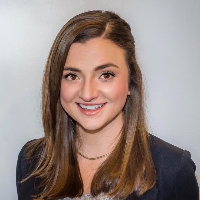
Sara Sutherland, LMSW
Compassionate support for life transitions
Opens BetterHelp in a new tab, where you can review online therapy options.
At a glance
- Listed location
- Michigan
- Experience
- 8+ years
- Credentials
- LMSW
- Languages
- English
- License (Michigan)
- LMSW · No. 6801106679
- NPI
- 1063004455
Copied as listed by the therapist. You can check a license with the state board and an NPI with the national registry.
- Warm and genuine approach
- Practical coping skills
- Experience with grief
About Sara
Areas of expertise
Also works with
Additional focus areas
Therapeutic approaches
Experience
8+ years
Credentials
Michigan
Languages
English
How therapy approaches translate to online care
Client-Centered Therapy focuses on the person’s experience and aims to create a nonjudgmental space where clients can talk through what matters most. This approach is helpful for stress, grief, and transitions when someone needs acceptance and steady listening.Cognitive Behavioral Therapy, or CBT, looks at how thoughts, feelings, and behaviors connect and teaches concrete exercises to shift unhelpful patterns. CBT is often used for anxiety, depression, and managing mood or coping skills.
Dialectical Behavior Therapy, DBT, includes practical skills for regulating strong emotions, improving relationships, and tolerating distress. It can be useful when people struggle with intense reactions or patterns that cause ongoing conflict.
Finding the right approach is part of the work. The therapist will talk with each person about goals, needs, and preferences and then recommend which methods to try. That choice is collaborative and can change over time as progress is made.
Please confirm current session options before booking, as formats are not listed here. Online sessions can make it easier to fit therapy into a busy week, allow for shorter check-ins when schedules demand, and reduce travel time so people can use appointments during a lunch break or between responsibilities. Ask about available formats when you schedule to see what fits your routine.
Frequently asked questions
What concerns does Sara often help with?
She helps with stress, anxiety, grief, depression, coping with life changes, compassion fatigue, addictions, relationship and intimacy issues, parenting concerns, ADHD, bipolar symptoms, and related struggles. Additional focus areas include aging and geriatric issues, caregiver stress, chronic illness, and end-of-life counseling.
How would you describe her therapy style?
Her style is warm and straightforward. She focuses on listening, making clients feel seen, and working together on practical steps toward change.
What background does she bring to sessions?
She studied social work and psychology at Hope College and completed a master’s degree in clinical social work at Western Michigan University, then gained experience in private practice, health care, and hospice care.
What credential does she hold and where does she practice?
She holds the LMSW credential, which stands for licensed master social worker, and is based in Michigan.
Which languages are offered for sessions?
Sessions are offered in English.
Can people outside the United States work with her?
International clients are not currently accepted.
How is payment handled and what does it cost?
Cost varies with location and therapist arrangement; sessions use a subscription model that can be canceled at any time.
What is the first step to begin therapy?
Click the Start Therapy button, fill out a short matching questionnaire, and schedule a session according to the therapist’s availability.