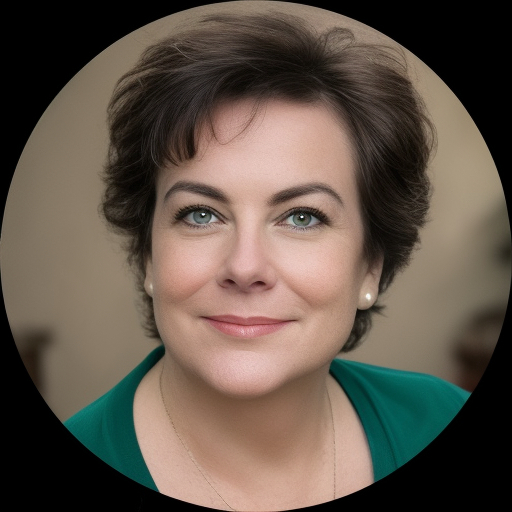
Sarah Maddox, LCSW
Experienced LCSW supporting life transitions
Opens BetterHelp in a new tab, where you can review online therapy options.
At a glance
- Listed location
- North Carolina
- Experience
- 35+ years
- Credentials
- LCSW
- Languages
- English
- License (North Carolina)
- LCSW · No. C004770
- NPI
- 1689418766
Copied as listed by the therapist. You can check a license with the state board and an NPI with the national registry.
- 35 years experience
- Faith-aware option
- Practical strategies
About Sarah
Her sessions emphasize an open, nonjudgmental space where clients can speak freely about what matters to them. She listens for strengths and patterns that get in the way of goals. When clients want faith included, she offers spiritual counseling with a Christian perspective and only brings it in when that matches the client's values.
Sarah uses a mix of therapy styles to match each person. She draws on attachment-based work to look at relational patterns, cognitive behavioral techniques to address thoughts and behaviors, and client-centered support to focus on the client's experience. She also uses elements of dialectical behavior therapy and motivational interviewing when helpful.
Over the years she has supported people through family of origin issues, divorce and separation, abandonment, blended family dynamics, fertility concerns, caregiver stress, cancer-related challenges, and aging and geriatric issues. She focuses on practical steps people can take between sessions to build resilience and improve daily functioning.
Her practice centers on collaboration: setting goals together, checking progress, and adjusting strategies as needed. People who value frank conversation and a faith-aware option often find her approach useful.
Areas of expertise
Primary focus
Also works with
Additional focus areas
Therapeutic approaches
Experience
35+ years
Credentials
North Carolina
Languages
English
How her approaches translate to online work
Attachment-based work focuses on how early relationships shape current patterns. It helps people notice how they relate to others and practice different ways of connecting. Client-centered therapy centers the client's own goals and experiences; the therapist follows the client's lead and offers empathetic listening to support growth. Cognitive behavioral therapy, or CBT, looks at the links between thoughts, feelings, and actions and teaches concrete strategies to change unhelpful patterns.Choosing the right approach is a collaborative process. The therapist will talk with each person about goals and preferences, try techniques that fit those goals, and adjust the plan based on what helps. That way the work stays practical and focused on real life changes.
The biography does not specify which online session formats are offered, so confirm the available options before booking. In general, online work can make it easier to fit sessions into a busy week, allow shorter check-ins when time is tight, and reduce travel needs. Therapists and licensed professionals can adapt attachment, client-centered, and CBT techniques to remote settings so people can keep progressing even when they cannot be in the same room.
Frequently asked questions
What concerns does she help with?
Sarah supports people coping with stress, anxiety, depression, trauma, relationship difficulties, self-esteem and motivation struggles, addiction issues, intimacy concerns, and caregiving strain. She also addresses family of origin problems, divorce, fertility matters, and aging and geriatric issues.
What is her therapeutic style like?
Her style is collaborative and direct, with an emphasis on listening and practical steps. Sessions focus on identifying strengths, changing unhelpful patterns, and building skills people can use between meetings.
How much experience does she have?
She brings 35 years of professional clinical experience working with a wide range of life and relational concerns.
What are her credentials and where is she based?
She is an LCSW, which stands for licensed clinical social worker, and she practices in North Carolina.
Which languages are supported in sessions?
Sessions are offered in English.
What session formats are offered?
The biography does not list specific session formats. Please confirm current session options before booking so you know which formats are available.
How are fees and billing handled?
Cost varies with location and therapist availability, and sessions use a subscription that can be canceled at any time.
How do I begin working with her?
Choose the Start Therapy button, complete the short matching questionnaire, and schedule according to therapist availability.