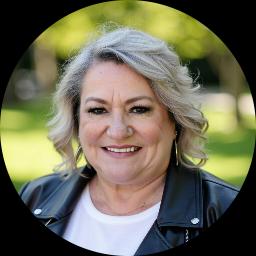
Sarah Rodriguez, LPC
Compassionate care for life transitions
Opens BetterHelp in a new tab, where you can review online therapy options.
At a glance
- Listed location
- Texas
- Experience
- 19+ years
- Credentials
- LPC
- Languages
- English
- License (Texas)
- LPC · No. 69405
- NPI
- 1295146082
Copied as listed by the therapist. You can check a license with the state board and an NPI with the national registry.
- Stress and anxiety
- Trauma recovery
- Aging concerns
About Sarah
Sarah trained first in psychology at Texas Tech University and later completed a master’s in community counseling at Webster University. She has worked across roles from case management to individual counseling, giving her practical experience with many different needs and life stages. Her background includes focused work with trauma and sexual abuse survivors and with people affected by domestic violence.
In sessions she mixes straightforward, solution-focused work with deeper approaches when they are needed. That can mean practical steps someone can try between visits, skills for managing strong emotions, or longer conversations that get at long-standing patterns. She uses well-known methods such as acceptance and commitment ideas, cognitive behavioral strategies, and emotion-focused techniques to shape the work.
Sarah emphasizes listening first and building a plan together. She wants to understand each person’s story and help them move toward a clearer, more manageable future. Her practice aims to balance usable tools with space to process difficult experiences.
For people caring for aging relatives or facing caregiver stress, she brings experience with those specific pressures and practical problem-solving. She encourages straightforward conversation about goals and next steps.
Areas of expertise
Also works with
Additional focus areas
Therapeutic approaches
Experience
19+ years
Credentials
Texas
Languages
English
How therapeutic approaches shape online care
Acceptance and Commitment Therapy (ACT) focuses on what matters most to a person and builds small, workable steps toward those values. It helps with anxiety, depression, and life changes by teaching skills to notice thoughts and commit to meaningful action. Cognitive Behavioral Therapy (CBT) looks at the link between thoughts, feelings, and behavior and offers concrete techniques to change unhelpful patterns. It is often used for anxiety, low mood, and stress. Emotionally-Focused Therapy (EFT) centers on understanding and shifting emotional responses in relationships and personal patterns, which can help with intimacy issues and deep-seated emotional pain.Choosing the right approach is part of the process. The therapist will work collaboratively to match methods to a person’s goals, needs, and preferences. That might mean trying a practical skill first, then adding deeper emotion work if it helps. The plan is built together and adjusted over time.
Confirm session options before booking to know which formats are currently offered. Online therapy can make it easier to fit sessions into a busy life, for example by cutting travel time, allowing shorter check-ins during breaks, or avoiding the need to be on camera when bandwidth is limited. Licensed professionals can coach and teach skills effectively in remote sessions while helping clients apply tools in daily routines.
Frequently asked questions
What kinds of problems does Sarah focus on?
She supports people with stress, anxiety, trauma and abuse, grief, depression, life changes, relationship and intimacy issues, parenting concerns, anger, and self-esteem. Additional focus areas include aging and geriatric issues and caregiver stress.
What is her therapeutic style like?
Her style blends practical, solution-focused steps with deeper therapy when needed. Sessions can include skills practice, emotion work, and planning for changes between visits.
How much experience does she have?
She has worked in the healing arts for 19 years, providing services from case management to individual counseling across many settings.
What credential does she hold and where is she located?
She is a Licensed Professional Counselor (LPC) in Texas and practices there.
Which languages are sessions offered in?
Sessions are offered in English.
Can international clients work with her?
International clients are not currently accepted.
How are sessions scheduled and what does cost look like?
Cost varies with location and therapist availability and sessions use a subscription that can be canceled at any time.
How do I begin if I want to work together?
Click the Start Therapy button, complete a short matching questionnaire, and then schedule according to therapist availability.